
Drug and Alcohol Detox Placement in Denver, Colorado
Mile High Recovery Center does not provide medical detox on site. What we do is make sure you get it. If you need supervised withdrawal from alcohol, benzodiazepines or opioids before treatment, our admissions team arranges a bed with a Colorado detox partner we work with regularly. That usually happens within hours. We admit you to our residential or outpatient program the day you are medically cleared. One call covers both.
On this page
Why Detox Comes First
Treatment cannot start while your body is still withdrawing. For some substances withdrawal is miserable; for a few it is dangerous. Alcohol and benzodiazepine withdrawal can cause seizures, and severe alcohol withdrawal can cause delirium tremens, which is life-threatening without medical care. Opioid withdrawal is rarely fatal, but it is bad enough that most people use again to make it stop. With fentanyl in the supply, that is the most dangerous moment of all.
Detox is the medically supervised version of getting through that. Medications manage the symptoms. Nurses watch your vitals around the clock. You have a safe place to be for the three to seven days it takes. It is a bridge. What happens after it is what keeps people sober.
Which Substances Need Medical Detox
Alcohol: heavy daily drinkers should never stop cold without supervision. Seizure and DT risk peaks in the first 72 hours.
Benzodiazepines (Xanax, Valium, Ativan, Klonopin): withdrawal can cause seizures and is usually managed with a slow medical taper.
Opioids (fentanyl, heroin, oxycodone): not usually dangerous, but severe, and the relapse risk during withdrawal is where overdoses happen. Detox is also where Suboxone induction often starts.
Methamphetamine and cocaine: rarely need medical detox, but the depression and exhaustion of the crash can be severe. Many stimulant clients come straight to residential.
If you are not sure whether you need detox, say so when you call. Admissions will ask about what you use, how much and how often, and the answer will be clear.
Still using and scared to stop? Call. We will find you a detox bed and a plan for what comes after, in the same conversation.
How Detox Placement Works at Mile High Recovery Center
1. One confidential call
You talk to a person on our admissions team, any hour. We ask what you are using, how much, how long, and about your medical history. We verify your insurance in the same call.
2. A detox bed, usually the same day
We contact the Colorado detox partner that fits your situation and your insurance and arrange your admission. We can help with transportation if you need it. Our partners are licensed medical detox facilities we have worked with for years.
3. Straight to Mile High when you are cleared
While you are in detox, our team is getting ready for you. Your bed in residential, or your start date in PHP or IOP. Your psychiatric assessment. Your first therapist. There is no gap between detox and treatment, because that gap is where people are lost.
What Happens After Detox
Detox gets the substance out of your body. It does nothing about why you were using. That is what the next 30 days or more in our 12-bed residential program are for. Daily therapy. A psychiatric assessment. Medication-assisted treatment with Suboxone or Vivitrol if it is right for you. A schedule that gives your brain time to settle. From there you step down through PHP and IOP with the same team. You move into sober living if home is not safe. You join an alumni community that meets every day.
People who go from detox straight back to their lives relapse at very high rates. People who go from detox into treatment, and stay in it, mostly do not. We built the whole continuum around that difference.
Detox and Treatment Insurance
Medical detox and the treatment that follows are covered by most commercial plans when medically necessary, and by Colorado Medicaid. Our partners accept most of the same plans we do. Admissions verifies your benefits before anything is arranged and tells you what detox and treatment will cost together.
Ready to stop? Call now. Detox placement and your treatment plan start with the same call.
Sources
- SAMHSA TIP 45, Detoxification and Substance Abuse Treatment
- NIDA, Medications to Treat Opioid Use Disorder
Our Levels of Care
You can start with us at whatever level fits where you are right now. Each level connects to the next, with the same community and clinical team as you move through them.
You are here
Medical Detox
Not on site. We arrange a bed with a Colorado detox partner and bring you to us when you are medically ready.
Residential Treatment
12 beds in Denver, staff on site around the clock. We recommend at least 30 days.
Partial Hospitalization (PHP)
Full days, five days a week, without an overnight stay.
Intensive Outpatient (IOP)
Day or evening groups three to five days a week while you keep your job or stay home with your kids.
Medication-Assisted Treatment
Suboxone and Vivitrol, prescribed and monitored by our medical team.
Sober Living
Sober homes across Denver through Mile High Sober Living.
Alumni Program
Groups seven days a week. You are part of this community for good.
Dual diagnosis
What We Treat
We treat substance use disorders and the mental health conditions that so often come with them, at the same time, with the same team.
Alcohol, fentanyl and other opioids, heroin, methamphetamine, cocaine, benzodiazepines, prescription drugs, marijuana and hallucinogens.
Anxiety, depression, PTSD and trauma, bipolar disorder, ADHD and schizoaffective disorder, with psychiatric assessment at admission and medication management when it makes clinical sense.
Congress Park, Denver
Our Denver Treatment Center
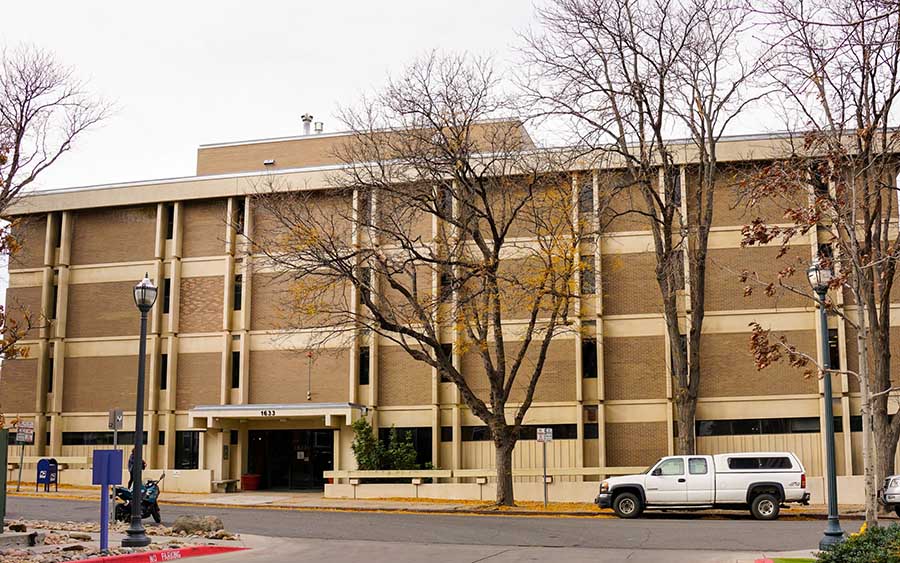
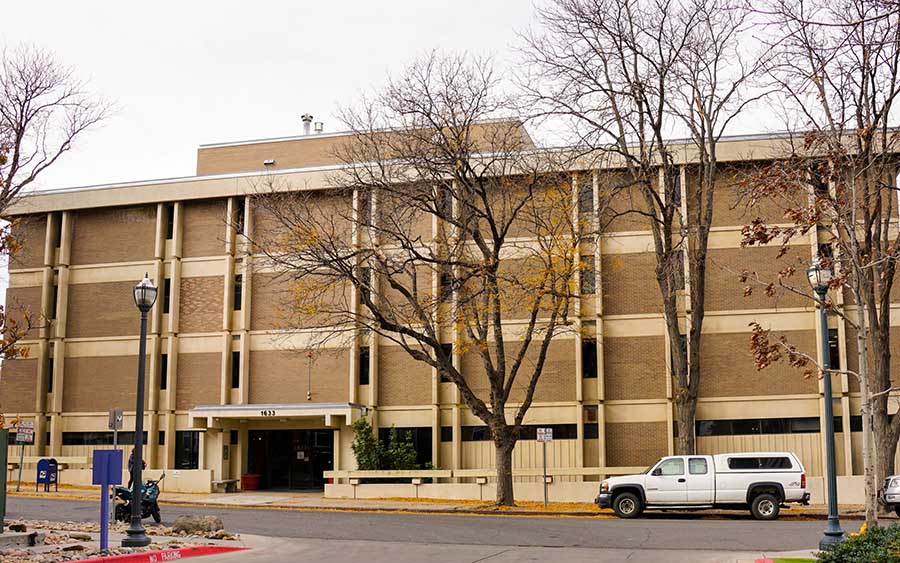
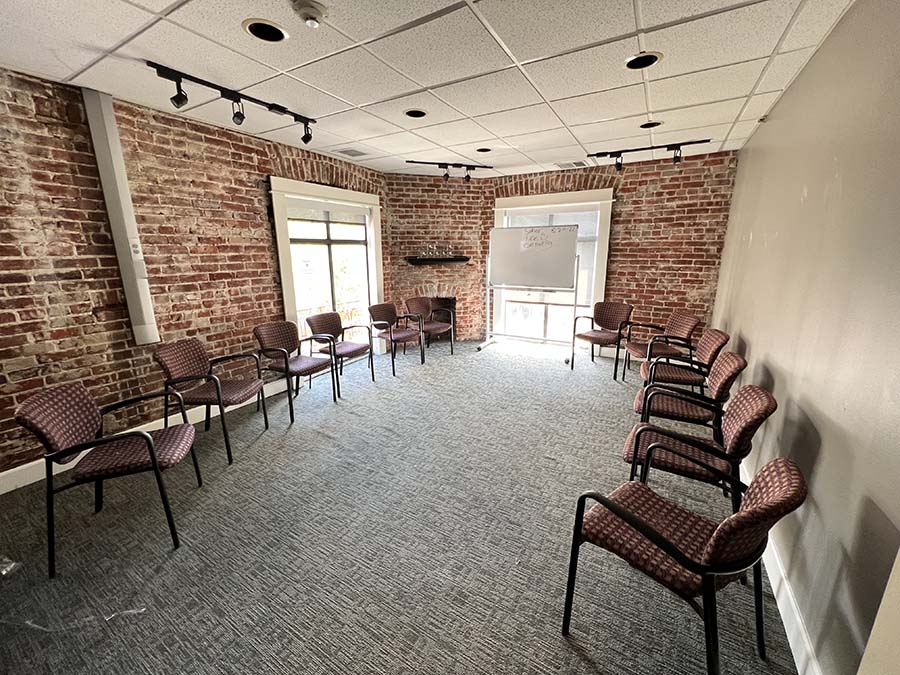
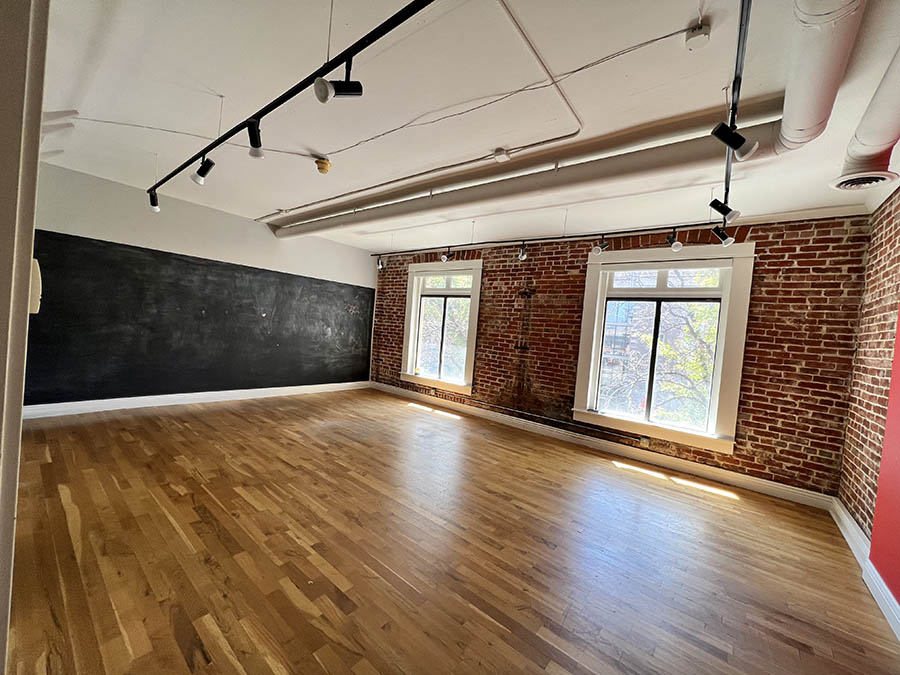
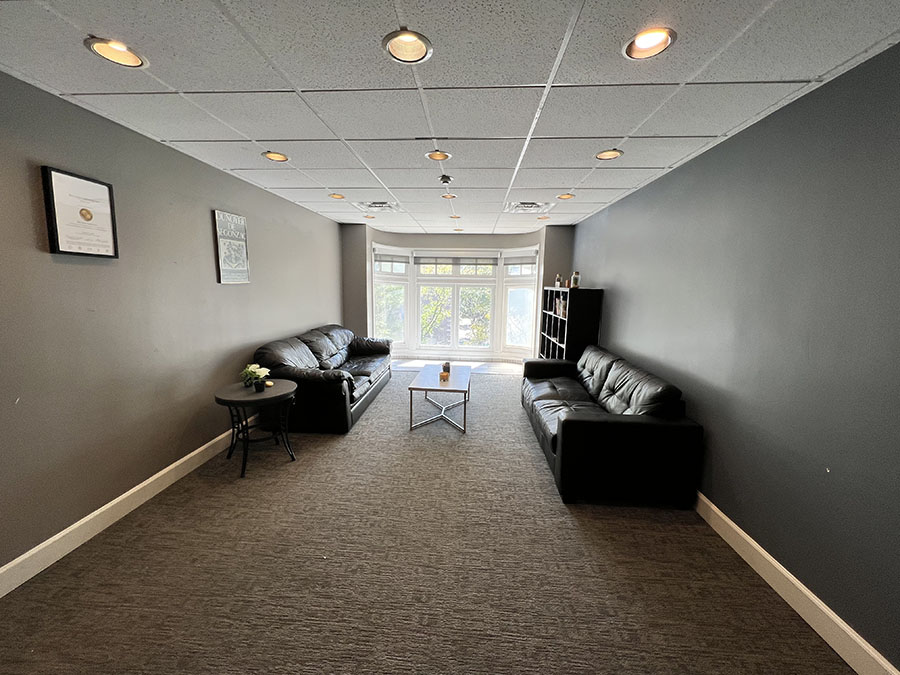
Our treatment center is at 1633 Fillmore Street in Denver’s Congress Park neighborhood, a few minutes from downtown and under an hour from the foothills. The residential program has 12 beds, so you will know everyone on your clinical team by the end of the first week. Group rooms, a shared kitchen and outdoor space are part of daily life, and our nine sober living homes across Denver give clients a place to live during and after outpatient care.


Since 2016
Who We Are
Mile High Recovery Center began in 2016 when Brice Hancock opened one sober house in Denver. Today there are nine homes and a treatment center accredited by The Joint Commission and certified by LegitScript. A lot of our staff are in recovery themselves, which is why nobody here is going to judge you, and why hundreds of alumni still show up to groups every week.


Does Mile High Recovery Center provide medical detox?
No. We coordinate it. Our admissions team arranges a bed with a licensed Colorado detox partner and admits you to our program as soon as you are medically ready. One call handles both.
How long does detox take?
Usually three to seven days, depending on the substance, how much you were using and your health. Alcohol and benzodiazepine detox tend to run longer than opioid detox.
Do I need detox before residential treatment?
If you are drinking heavily every day or using benzodiazepines or opioids daily, yes. Stimulant users and people who have already stopped often come straight to residential. Admissions will tell you which applies to you.
Can I detox at home?
Not from alcohol or benzodiazepines; withdrawal can cause seizures and can be fatal. Opioid withdrawal is rarely dangerous but is a high-risk time for overdose. Medical detox is the safe route for all three.
Does insurance cover detox?
Most commercial plans and Colorado Medicaid cover medical detox when it is medically necessary. We verify your benefits before arranging anything.
What happens if I need detox in the middle of the night?
Call. Admissions is available 24 hours a day, and detox partners admit around the clock.
Recovery stories
Recovery Stories From Our Alumni
Jack
Jack could not go a day without drinking. Two years sober, he talks about how Mile High helped him take his life back.
Grace
Grace started drinking to escape childhood trauma. She now directs our Alumni Program.
Colin
Colin went from meth and fentanyl to full recovery, and he is honest about what that took.
Mile High Recovery Center Reviews
Resources
Addiction and Recovery Resources
Plain answers to the questions people look up at 2 a.m., written by our clinical team.

Blog
Addiction Recovery Blog
Hundreds of articles on substances, mental health, treatment and life in recovery.

Guide
Alcohol Addiction Guide
Signs of a drinking problem, how withdrawal works, and what treatment looks like.

Guides
All Treatment Guides
Longer guides to residential treatment, outpatient care, insurance and more.
One call starts it
Healing begins here at Our Colorado Addiction Treatment Center
If you or someone you love needs a Colorado addiction treatment center you can trust, call us. The call is confidential and it is the only step you have to take today.
100% Confidential
Joint Commission Accredited
Colorado Medicaid Accepted
Admissions 24/7
