


Understanding
Understanding High-Functioning Alcoholism
If you have a career, a family, and a life that looks successful from the outside, it can be hard to believe you might have a drinking problem. You show up, you perform, you keep the plates spinning. But high-functioning alcoholism thrives in exactly that gap, between how things look and how they feel.
High-functioning alcoholism is not an official diagnosis, it is a pattern: a person who meets the criteria for alcohol use disorder while still holding down a job, relationships, and responsibilities. The drinking is real, and so is the damage, it is just hidden behind competence. That hidden quality is what makes it so easy to keep going, and so hard to name.
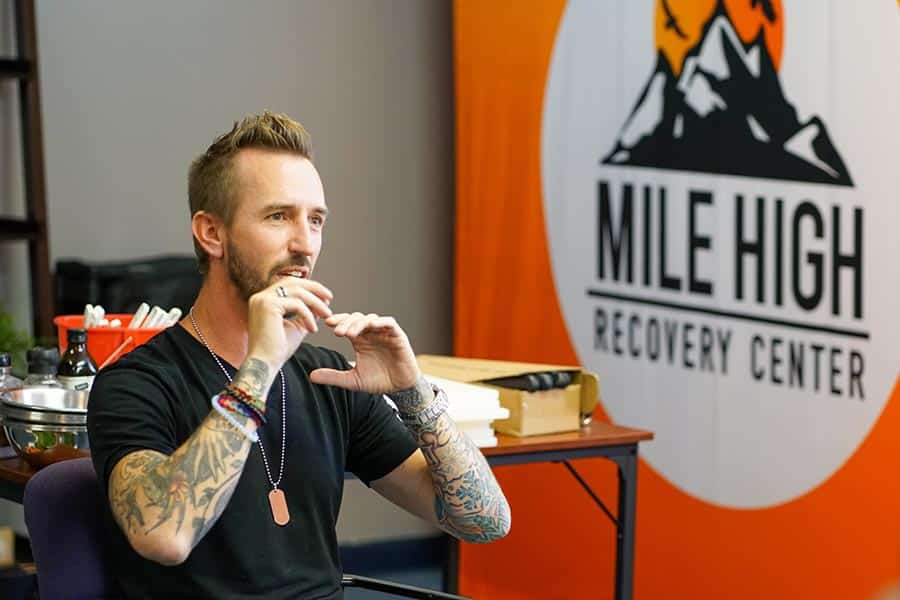
Mile High Recovery Center is a Denver treatment center offering a full continuum of care, from residential to outpatient and sober living, staffed by professionals, many of whom are in recovery themselves. We wrote this guide for the person who is quietly wondering. Across the chapters ahead, we explain what high-functioning alcoholism really is, the signs that are easy to miss, and how to reach for help before a crisis forces the issue.
Who This Guide Is For
This guide is written for you if you are:
- Successful on paper but privately uneasy about how much, or how often, you drink
- Telling yourself it is fine because you never miss work and nothing has gone wrong yet
- Noticing that alcohol has quietly become how you unwind, celebrate, cope, and reset
- Worried about someone who seems to have it all together but drinks more than they let on
- Wondering whether high-functioning drinking is still a real problem worth addressing
Wherever you land on that list, you are not overreacting, and you are not alone.
Questions
High-Functioning Alcoholism FAQs
Want to talk to a real person? Call us, someone who understands will answer. (303) 268-2144
What is high-functioning alcoholism?
High-functioning alcoholism describes someone who meets the criteria for alcohol use disorder while still managing work, relationships, and daily responsibilities. The outward success hides the dependence underneath, which is why it often goes unnoticed for years. It is not an official diagnosis, but the condition is real and treatable. The functioning often delays getting help, it rarely means there is nothing to address.
How is it different from regular alcohol use disorder?
Clinically, it is not a separate condition; it is alcohol use disorder that has not yet visibly disrupted someone’s outer life. The difference is in appearances, not severity. Because the usual consequences (missed work, legal trouble, broken relationships) have not surfaced, the drinking stays hidden longer. That delay can let the dependence deepen while everyone, including you, assumes things are under control.
If I am still succeeding at work, is it really a problem?
Yes, it can be. Success does not cancel out dependence; it just conceals it. Many people function for years while alcohol slowly shapes their sleep, mood, health, and relationships. The question is not whether you have failed yet, but whether drinking is something you can freely take or leave. If it has stopped feeling optional, that is worth taking seriously.
What are the warning signs of high-functioning alcoholism?
Common signs include needing more alcohol to feel the same effect, drinking alone or in secret, planning your day around drinking, and feeling irritable or anxious without it. You might downplay how much you drink, rely on it to relax or sleep, or feel a quiet dread at the idea of stopping. Any of these is worth a closer, honest look.
Can someone recover without hitting rock bottom?
Absolutely. The idea that you must lose everything before you can change is a myth, and often a dangerous one. Recovery is most effective when it starts early, before the losses pile up. Reaching out while your life is still intact is not premature; it is wise. You do not have to earn help by suffering first, you can choose it now.
Is this guide a substitute for treatment?
No. This guide is educational, meant to help you understand high-functioning alcoholism and recognize it in yourself or someone you love. It is not a diagnosis or a treatment plan. If drinking is affecting your life, professional support makes a real difference. Our team at Mile High Recovery Center is here whenever you are ready to talk.
Talk With Someone Who Understands
You do not have to wait for things to fall apart to ask for help. Our team in Denver will talk through your options with you, confidentially, with no pressure and no judgment.