
Residential Treatment for Addiction in Denver, Colorado
Mile High Recovery Center’s residential treatment program in Denver, Colorado is where adults with drug and alcohol addiction spend the first month or more of recovery. You live here. Staff are on site around the clock, and your days are built around therapy. We have 12 beds, and we treat the mental health side at the same time. When residential ends, you step down to our own PHP and IOP with the same team. Nobody starts over.
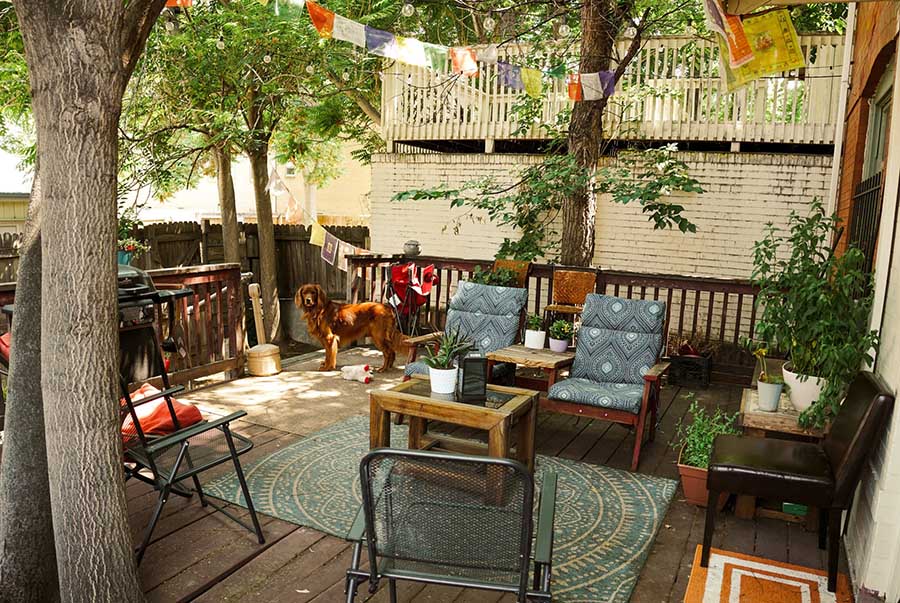
On this page
A 12-Bed Residential Treatment Center in Denver
Residential treatment means you live at the center while you get well. You are not driving home at night to the apartment where you used, or waking up next to the bottle. Staff are on site around the clock, your days are structured, and the people around you are doing the same work you are.
Ours is small on purpose. With 12 beds, you will know every member of your clinical team by the end of the first week, and they will know you. That is hard to say about a 60-bed facility. Many of our staff are in recovery themselves. The house sits in Denver’s Congress Park neighborhood, a few minutes from downtown and under an hour from the foothills. Clients come to us from Colorado Springs, Fort Collins, Boulder and the mountain towns as often as from Denver.
Residential is the right starting point for a few situations. You have tried to quit and could not. Home is not a safe place to get sober. You have relapsed after outpatient care. Or there is a mental health condition tangled up with the drinking or using. If you are not sure, one call and a confidential assessment will tell you.
What a Day in Residential Treatment Looks Like
Structure is most of what makes residential work, so here is roughly how a weekday runs.
Morning: breakfast, a check-in group, then a process group or psychoeducation session.
Midday: individual therapy, case management or a medical appointment, depending on the day.
Afternoon: skills groups (CBT, DBT, relapse prevention), art therapy or an outing with our adventure therapy program.
Evening: dinner, a 12-step or community meeting, and time to decompress. Lights out is lights out.
Weekends are lighter: a longer outdoor trip, family visits, time to call home. You will also sit in on alumni groups during your stay, because those are the people you will be leaning on in six months.
Residential Rehab for Drug, Alcohol and Co-Occurring Mental Health Disorders
Most of the people in our residential program are here for alcohol, fentanyl and other opioids, or methamphetamine. We also treat cocaine, benzodiazepine and prescription drug use disorders, and plenty of people who are using more than one.
About half of them also have a mental health condition: anxiety, depression, PTSD, bipolar disorder. Every client gets a psychiatric assessment at admission, medication management when it makes clinical sense, and a treatment plan that handles both problems at once. Treating the addiction and ignoring the depression is how people end up back here.
Not sure residential is the right level? Call and we will help you figure it out.
Evidence-Based and Experiential Therapies in Our Residential Program
Your plan pulls from all of these and changes as you do:
Cognitive Behavioral Therapy (CBT): learn to notice the thinking that leads to using, and change it.
Dialectical Behavior Therapy (DBT): skills for intense emotions and the behaviors that follow them.
EMDR: for trauma, which is underneath more addictions than most people expect.
Acceptance and Commitment Therapy (ACT) and Motivational Interviewing: for the days you are not sure you want this.
Individual, group and family therapy: your family sits in on this, with their own group.
Adventure therapy, art therapy and nutrition education: because most people had stopped doing anything for fun long before they got here.
Relapse prevention: you leave with a written plan for the situations you already know are coming.
Medication-Assisted Treatment and Detox Coordination During Residential Care
We do not provide medical detox on site. If you are still drinking heavily or using benzodiazepines or opioids, withdrawal needs medical supervision first. Our admissions team arranges a bed with a Colorado detox partner and brings you to us the day you are medically cleared. One call covers both.
Once you are here, medication-assisted treatment is available when it is right for you. Our medical team prescribes and monitors Suboxone for opioid use disorder and Vivitrol for opioids or alcohol. The medication continues as you step down to outpatient care; changing levels never means losing your prescription. We do not offer methadone.
How Long Residential Treatment Lasts and What Comes Next
We recommend a residential stay of at least 30 days, and longer when it is clinically needed. The research is consistent: people who stay engaged in treatment longer do better (NIDA). Our admissions team works with your insurance to support the full stay.
Residential is where treatment starts. From here, clients step down to our partial hospitalization program, then intensive outpatient, with the same therapists. Many move into one of our sober living homes while they do it. The alumni program picks up from there and does not have an end date. All in, people who come to Mile High for residential care typically stay connected to us for several months.
Why Colorado Families Choose Mile High for Residential Treatment
It started with one sober house. Brice Hancock opened the first one in 2016; there are nine homes and a treatment center now, and the people running them have walked this road.
Small by design. 12 beds, one clinical team, no getting lost in the crowd.
Accredited and verified. The Joint Commission and LegitScript, the two credentials families and insurers ask about first.
A continuum. Residential to PHP to IOP to alumni, without changing buildings or therapists.
Insurance without barriers. Colorado Medicaid accepted and in-network with most major plans.
Residential Treatment Insurance and Admissions in Denver
Most commercial plans cover residential addiction treatment when it is medically necessary, and we accept Colorado Medicaid (Health First Colorado). We are in-network with Blue Cross Blue Shield, Aetna, Cigna, Kaiser Permanente, Tricare and MultiPlan. Admissions verifies your benefits before you commit to anything and tells you what is covered, so there are no surprises later.
Once your insurance is verified, most clients are in a bed within 24 hours. Admissions answers around the clock.
Ready to talk about residential treatment? Most people who call are here within a day.
Sources
- NIDA, Principles of Drug Addiction Treatment (length of stay and outcomes)
- NCBI Bookshelf NBK541232 and NBK64815
- SAMHSA, Co-Occurring Disorders
Our Levels of Care
You can start with us at whatever level fits where you are right now. Each level connects to the next, with the same community and clinical team as you move through them.
Medical Detox
Not on site. We arrange a bed with a Colorado detox partner and bring you to us when you are medically ready.
You are here
Residential Treatment
12 beds in Denver, staff on site around the clock. We recommend at least 30 days.
Partial Hospitalization (PHP)
Full days, five days a week, without an overnight stay.
Intensive Outpatient (IOP)
Day or evening groups three to five days a week while you keep your job or stay home with your kids.
Medication-Assisted Treatment
Suboxone and Vivitrol, prescribed and monitored by our medical team.
Sober Living
Sober homes across Denver through Mile High Sober Living.
Alumni Program
Groups seven days a week. You are part of this community for good.
Dual diagnosis
What We Treat
We treat substance use disorders and the mental health conditions that so often come with them, at the same time, with the same team.
Alcohol, fentanyl and other opioids, heroin, methamphetamine, cocaine, benzodiazepines, prescription drugs, marijuana and hallucinogens.
Anxiety, depression, PTSD and trauma, bipolar disorder, ADHD and schizoaffective disorder, with psychiatric assessment at admission and medication management when it makes clinical sense.
Congress Park, Denver
Our Denver Treatment Center
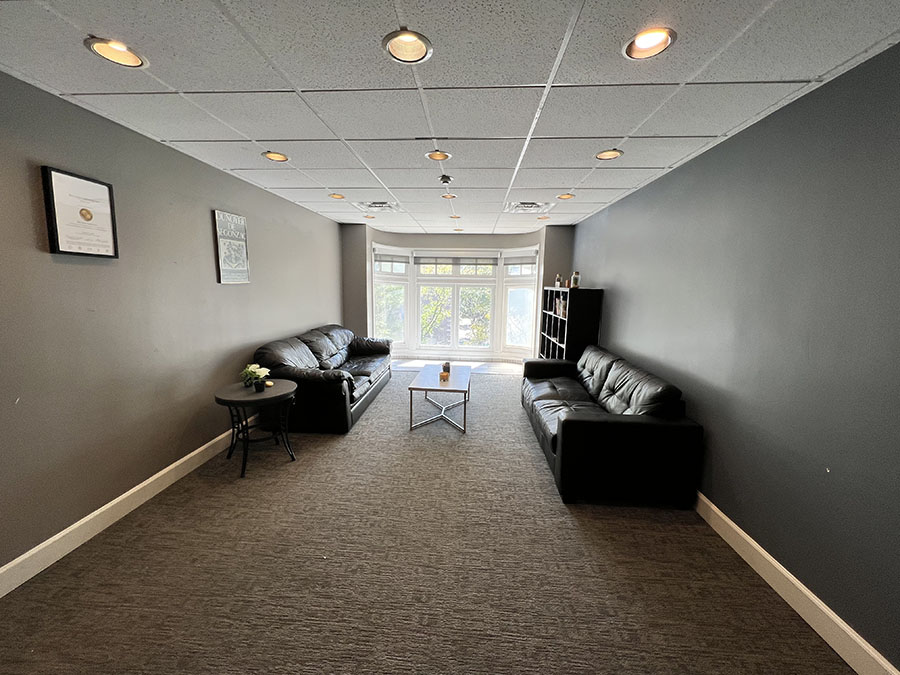
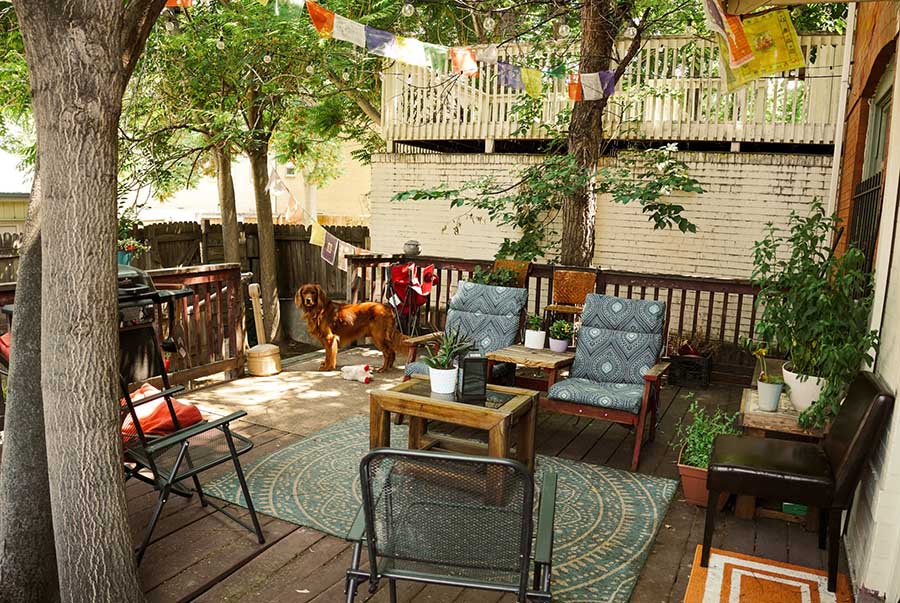
Our treatment center is at 1633 Fillmore Street in Denver’s Congress Park neighborhood, a few minutes from downtown and under an hour from the foothills. The residential program has 12 beds, so you will know everyone on your clinical team by the end of the first week. Group rooms, a shared kitchen and outdoor space are part of daily life, and our nine sober living homes across Denver give clients a place to live during and after outpatient care.
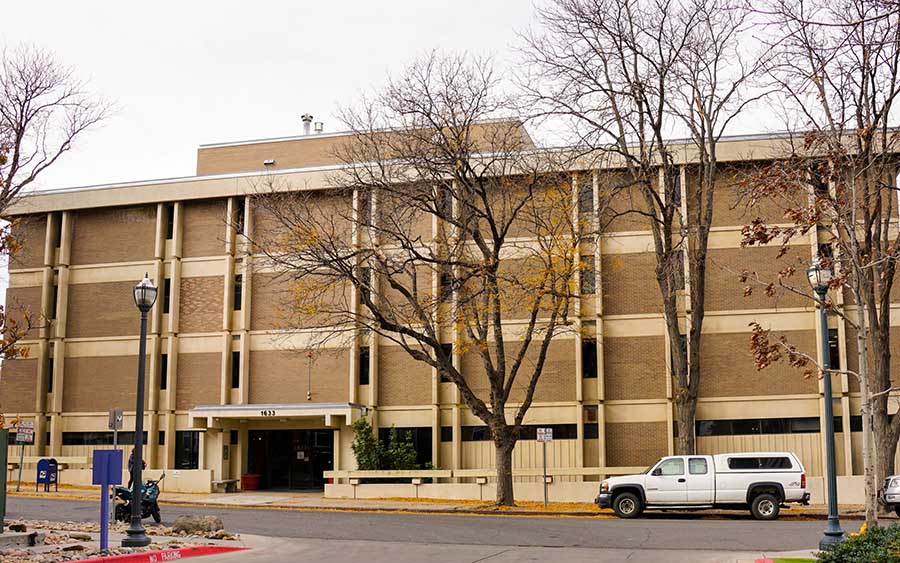
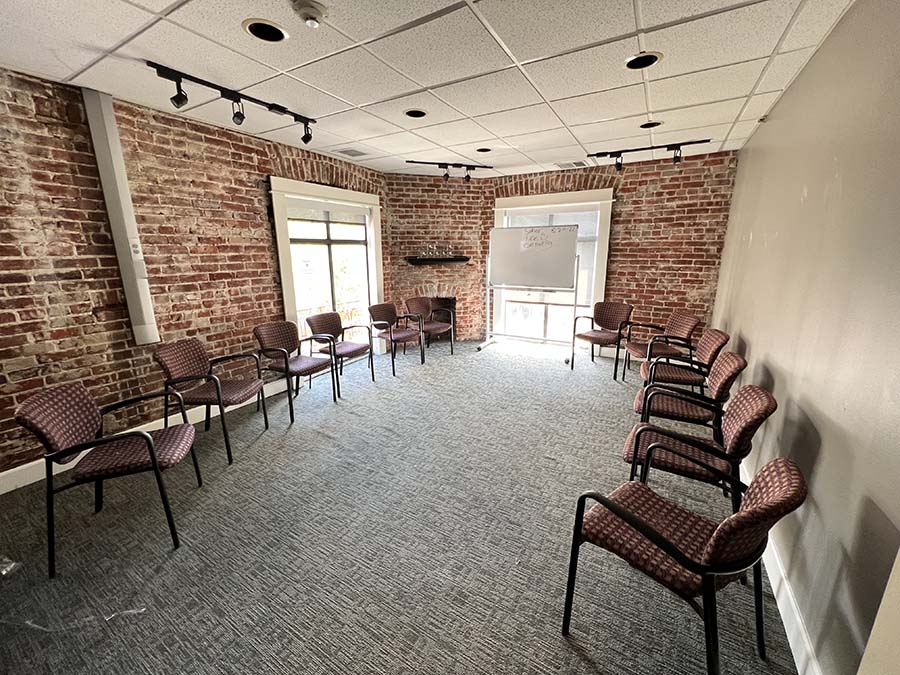
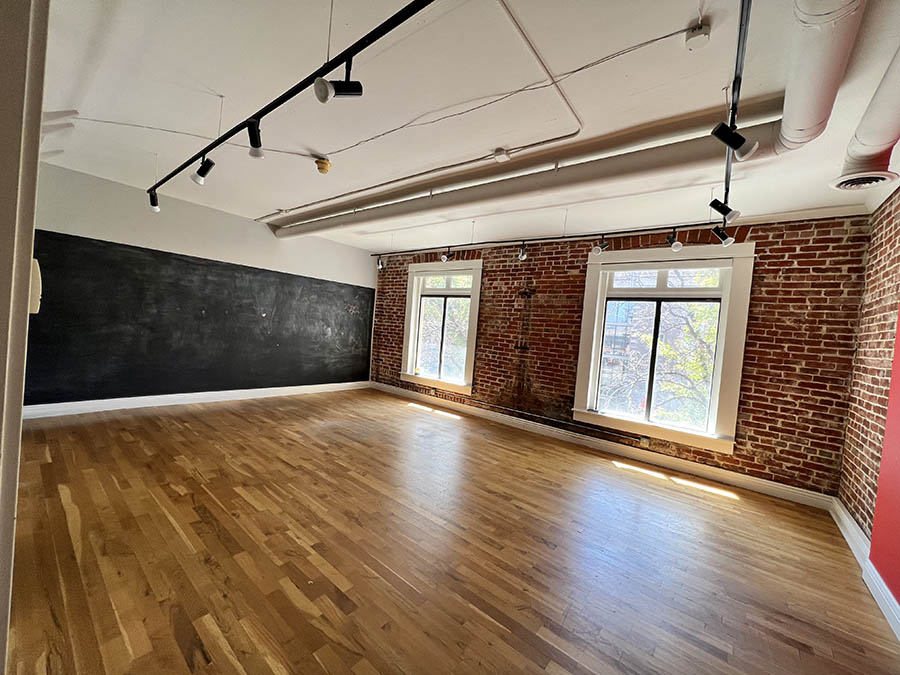

Since 2016
Who We Are
Mile High Recovery Center began in 2016 when Brice Hancock opened one sober house in Denver. Today there are nine homes and a treatment center accredited by The Joint Commission and certified by LegitScript. A lot of our staff are in recovery themselves, which is why nobody here is going to judge you, and why hundreds of alumni still show up to groups every week.


What is residential treatment for addiction?
Residential treatment is a live-in addiction program with 24-hour support, daily individual and group therapy, and a structured schedule. You stay at the center for the length of the program, away from the triggers and routines that fed the addiction, while you build the skills to stay sober after you leave.
How long does residential treatment last at Mile High?
We recommend at least 30 days in residential treatment, and some clients stay longer based on clinical need. After residential, clients step down to PHP and IOP with the same team, and the alumni program continues indefinitely.
Do you provide medical detox?
No. We do not provide detox on site. If you need to withdraw from alcohol, benzodiazepines or opioids under medical supervision, our admissions team arranges a bed with a Colorado detox partner and admits you to residential as soon as you are medically ready.
What is the difference between residential treatment and inpatient rehab?
Both provide 24-hour care. Inpatient rehab usually refers to a hospital-based program with medical monitoring during detox or stabilization. Residential treatment is a longer stay in a home-like setting focused on therapy and recovery skills. At Mile High, residential is our 24-hour level of care; detox and medical stabilization happen with our partners first.
Do you treat mental health conditions during residential treatment?
Yes. We are a dual diagnosis program. Every client gets a psychiatric assessment at admission, and anxiety, depression, PTSD, bipolar disorder and other conditions are treated alongside the substance use disorder, with medication management when appropriate.
Does insurance cover residential treatment?
Most commercial plans cover residential treatment when it is medically necessary, and Mile High accepts Colorado Medicaid. We verify your benefits before admission and explain coverage, authorization and any out-of-pocket cost up front.
Recovery stories
Recovery Stories From Our Alumni
Jack
Jack could not go a day without drinking. Two years sober, he talks about how Mile High helped him take his life back.
Grace
Grace started drinking to escape childhood trauma. She now directs our Alumni Program.
Colin
Colin went from meth and fentanyl to full recovery, and he is honest about what that took.
Mile High Recovery Center Reviews
Resources
Addiction and Recovery Resources
Plain answers to the questions people look up at 2 a.m., written by our clinical team.

Blog
Addiction Recovery Blog
Hundreds of articles on substances, mental health, treatment and life in recovery.

Guide
Alcohol Addiction Guide
Signs of a drinking problem, how withdrawal works, and what treatment looks like.

Guides
All Treatment Guides
Longer guides to residential treatment, outpatient care, insurance and more.
One call starts it
Healing begins here at Our Colorado Addiction Treatment Center
If you or someone you love needs a Colorado addiction treatment center you can trust, call us. The call is confidential and it is the only step you have to take today.
100% Confidential
Joint Commission Accredited
Colorado Medicaid Accepted
Admissions 24/7
