
Alcohol & General
Alcohol Addiction Treatment in Denver, Colorado
Alcohol is the substance Mile High Recovery Center treats most often. Our alcohol addiction treatment program in Denver, Colorado runs from detox coordination through a 12-bed residential program, partial hospitalization and intensive outpatient. The alumni community meets every day of the week. Vivitrol is available for cravings. Whatever is underneath the drinking, anxiety, depression or trauma, gets treated at the same time. We accept Colorado Medicaid and most major insurance.
Care you can trust


Accepted
Colorado Medicaid
Accredited by The Joint Commission and certified by LegitScript, so you and your family can trust the care you are choosing.
On this page
Alcohol Rehab in Denver: The Most Common Addiction We Treat
Alcohol is legal, it is at every game and every wedding, and in Denver it is a tourism industry. That is exactly why it does more damage than anything else we treat. One in six U.S. adults binge drinks, and a quarter of those do it weekly (CDC). Excessive alcohol use is linked to more than 140,000 deaths a year in the United States (CDC, 2015 to 2019). And most of the people who finally call us have been told for years, by themselves and everyone around them, that it was not that bad.
If you are reading this at 2 a.m. wondering whether you have a problem, you probably already know the answer. Our guide to high-functioning alcoholism is for the version of you that still makes it to work.
Signs It Is Time for Alcohol Treatment
You do not need to be drinking in the morning to need help. Alcohol use disorder is a spectrum (NIAAA), and the signs show up long before the crisis:
Drinking more, or longer, than you meant to, more often than not
Trying to cut back and not managing it
Needing more to get the same effect
Shaky, sweaty, anxious or nauseous when you stop, and drinking to make it go away
Giving up things you used to care about to drink or recover from drinking
Keeping going after it has cost you a relationship, a job or a DUI
Spending a lot of your week thinking about the next drink
Two or three of these in the past year is mild alcohol use disorder. Six or more is severe. Either one is treatable, and the earlier the easier.
Worried about your drinking, or someone else's? One confidential call.
How Alcohol Addiction Treatment Works at Mile High Recovery Center
Assessment
It starts with a conversation with admissions. Then a clinical assessment looks at how much and how long you have been drinking, your medical history, your mental health and how safe home is. That decides where you start.
Detox coordination
Alcohol withdrawal is one of the few that can kill you. Seizures and delirium tremens are real risks for heavy daily drinkers, so withdrawal needs medical supervision. Mile High does not provide detox on site. Our admissions team arranges a bed with a Colorado detox partner we work with regularly. Detox usually takes three to seven days. We bring you to us the day you are medically cleared.
Residential treatment
Our 12-bed residential program in Denver is where most alcohol clients begin after detox. Staff on site around the clock, daily individual and group therapy, and a schedule that gives the brain time to settle. We recommend at least 30 days, and longer when it is clinically needed.
PHP and IOP
From residential, you step down to partial hospitalization: full days, five days a week. Then intensive outpatient: several hours a day, three to five days, in the daytime or the evening. Same therapists the whole way. Many clients live in one of our sober living homes during this stretch.
Alumni
Our alumni community meets seven days a week. The first sober holiday season, the first bar you walk past, the first bad day without a drink: those are easier with people who have done it.
Vivitrol and Medication-Assisted Treatment for Alcohol Use Disorder
Alcohol changes the brain’s reward system, and for some people therapy alone is a fair fight on a tilted field. Vivitrol is a monthly injection of naltrexone that blocks the reward from drinking and reduces cravings. It is not a substitute for treatment and it does not make you sick if you drink; it just takes the point out of it. Our medical team prescribes and monitors it as part of medication-assisted treatment, and it continues as you step down through outpatient care.
Therapies for Alcohol Addiction at Mile High
Cognitive Behavioral Therapy (CBT): the thinking that gets you from a bad afternoon to a bottle, and how to interrupt it.
Dialectical Behavior Therapy (DBT): for people who drink to turn the volume down on their emotions.
EMDR: when trauma is the thing being drunk over.
Motivational Interviewing: for the ambivalence everyone has in the first weeks.
Group therapy and family therapy: alcohol is a social drug and recovery from it is social too.
Relapse prevention: a written plan for the situations you already know are coming.
Adventure therapy in the mountains, because a lot of drinking is really boredom.
Alcohol and Mental Health: Dual Diagnosis Treatment in Denver
A lot of heavy drinking is self-medication. Anxiety that a drink quiets. Depression that alcohol deepens while pretending to help. Trauma that only sleeps when you do. Every client at Mile High gets a psychiatric assessment at admission. If there is a mental health condition under the drinking, we treat it at the same time, with medication management when it makes clinical sense. Dual diagnosis treatment
Why Denver Families Choose Mile High for Alcohol Rehab
Alcohol is what we treat most, so the program is built for it.
Small: 12 residential beds and one clinical team from day one through alumni.
Started by people in recovery, in 2016, as a single sober house.
Accredited by The Joint Commission and certified by LegitScript.
Colorado Medicaid accepted; in-network with most major plans.
Alcohol Rehab Insurance and Admissions
Alcohol treatment is covered by most commercial plans when it is medically necessary, and by Colorado Medicaid. We are in-network with Blue Cross Blue Shield, Aetna, Cigna, Kaiser Permanente, Tricare and MultiPlan. Admissions verifies benefits the same day and tells you what is covered before you commit to anything. Once verified, most clients are in detox or residential within 24 hours.
Ready to stop? Call now and we will handle detox placement and insurance in the same conversation.
Sources
- CDC, Binge Drinking
- CDC, Deaths from Excessive Alcohol Use
- NIAAA, Alcohol Use Disorder: criteria and severity
Our Levels of Care
You can start with us at whatever level fits where you are right now. Each level connects to the next, with the same community and clinical team as you move through them.
Medical Detox
Not on site. We arrange a bed with a Colorado detox partner and bring you to us when you are medically ready.
Residential Treatment
12 beds in Denver, staff on site around the clock. We recommend at least 30 days.
Partial Hospitalization (PHP)
Full days, five days a week, without an overnight stay.
Intensive Outpatient (IOP)
Day or evening groups three to five days a week while you keep your job or stay home with your kids.
Medication-Assisted Treatment
Suboxone and Vivitrol, prescribed and monitored by our medical team.
Sober Living
Sober homes across Denver through Mile High Sober Living.
Alumni Program
Groups seven days a week. You are part of this community for good.
Dual diagnosis
What We Treat
We treat substance use disorders and the mental health conditions that so often come with them, at the same time, with the same team.
Alcohol, fentanyl and other opioids, heroin, methamphetamine, cocaine, benzodiazepines, prescription drugs, marijuana and hallucinogens.
Anxiety, depression, PTSD and trauma, bipolar disorder, ADHD and schizoaffective disorder, with psychiatric assessment at admission and medication management when it makes clinical sense.
Congress Park, Denver
Our Denver Treatment Center
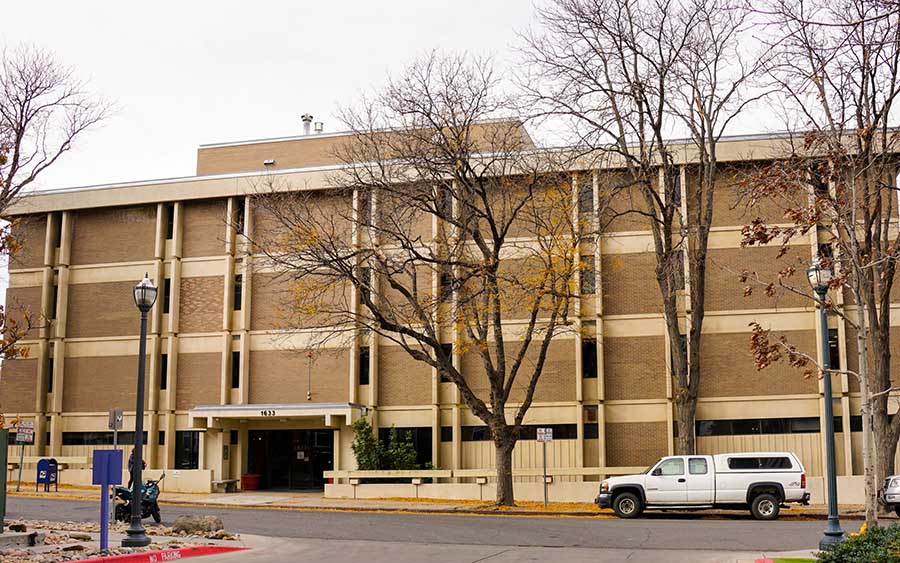
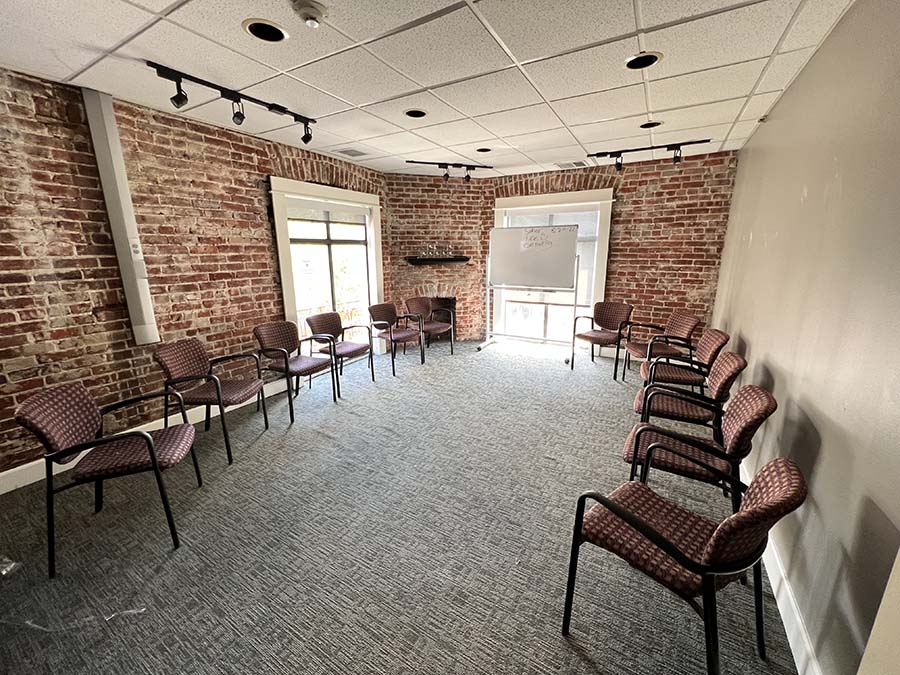
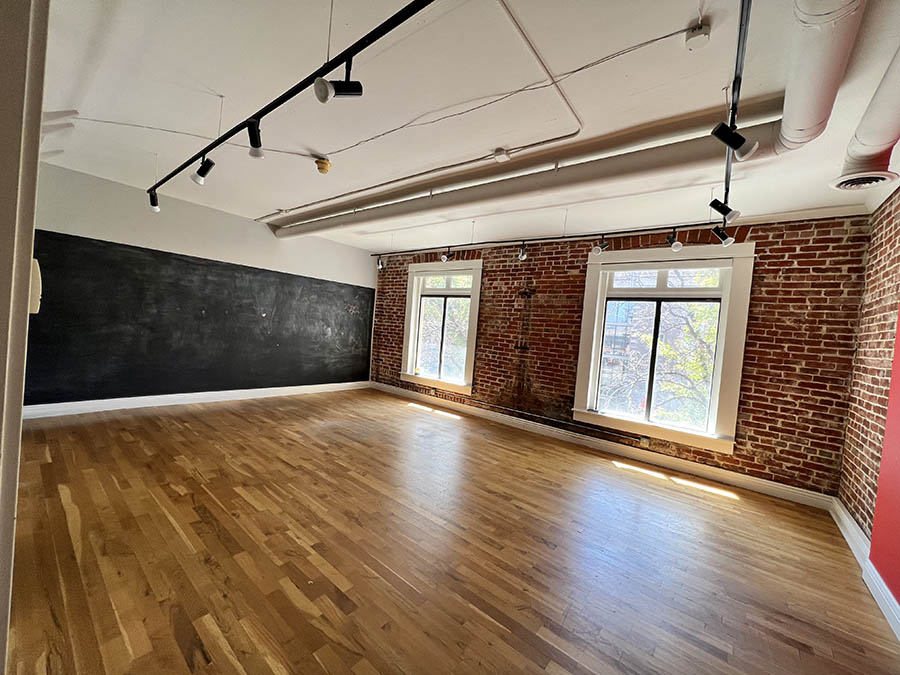
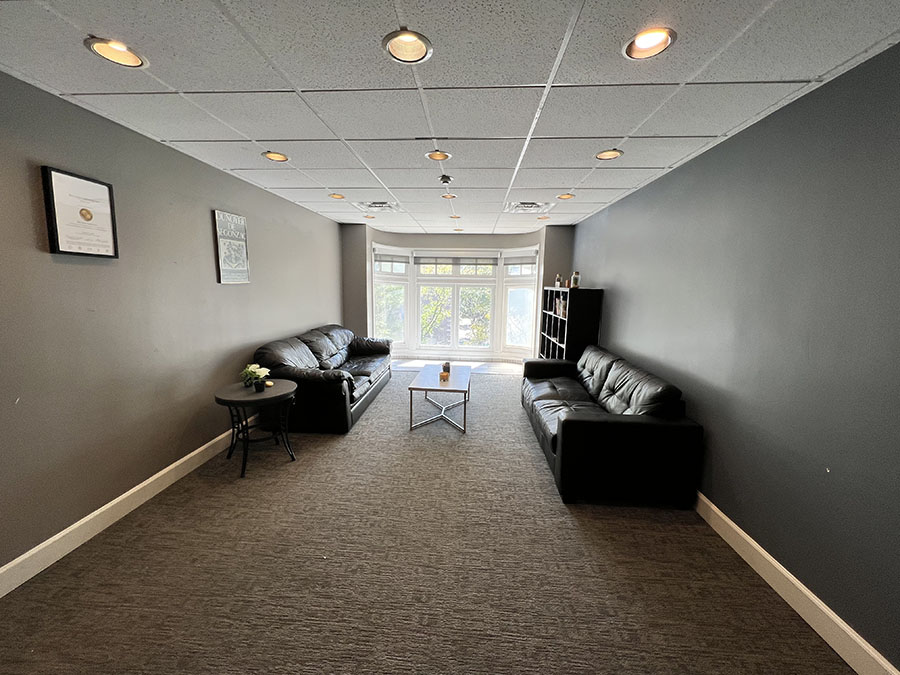
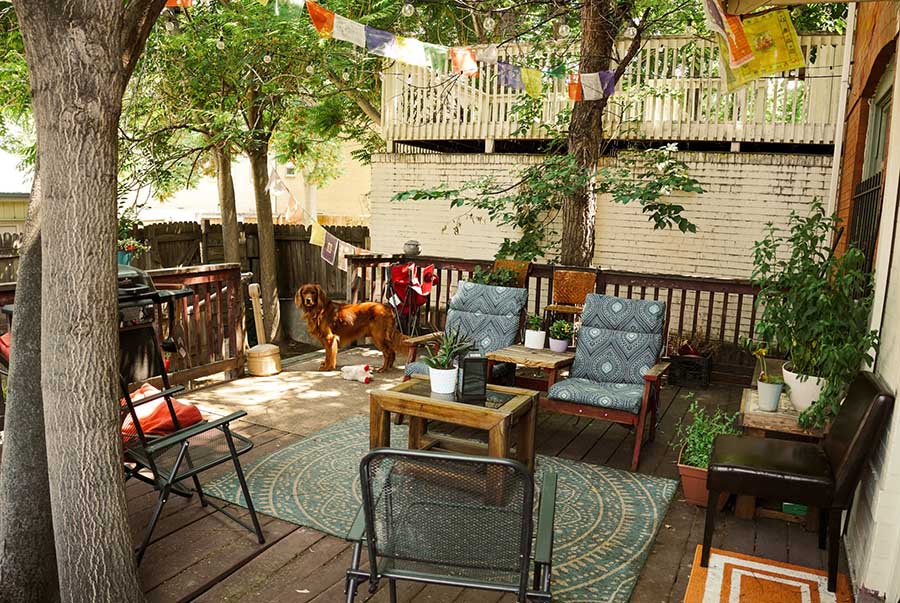
Our treatment center is at 1633 Fillmore Street in Denver’s Congress Park neighborhood, a few minutes from downtown and under an hour from the foothills. The residential program has 12 beds, so you will know everyone on your clinical team by the end of the first week. Group rooms, a shared kitchen and outdoor space are part of daily life, and our nine sober living homes across Denver give clients a place to live during and after outpatient care.

Since 2016
Who We Are
Mile High Recovery Center began in 2016 when Brice Hancock opened one sober house in Denver. Today there are nine homes and a treatment center accredited by The Joint Commission and certified by LegitScript. A lot of our staff are in recovery themselves, which is why nobody here is going to judge you, and why hundreds of alumni still show up to groups every week.
How long is alcohol rehab at Mile High?
Detox with our partners usually takes three to seven days. We recommend at least 30 days in residential care. PHP and IOP add several more weeks to months, and the alumni program has no end date.
Do you provide alcohol detox?
No. We coordinate it. Alcohol withdrawal can be medically dangerous, so our admissions team arranges a bed with a Colorado detox partner and admits you to our program as soon as you are medically ready.
Do you offer Vivitrol for alcohol?
Yes. Our medical team prescribes and monitors Vivitrol (naltrexone) to reduce cravings, as part of a plan that includes therapy. It continues through outpatient care.
Do you accept Colorado Medicaid for alcohol treatment?
Yes. We accept Colorado Medicaid (Health First Colorado) and are in-network with Blue Cross Blue Shield, Aetna, Cigna, Kaiser Permanente, Tricare and MultiPlan.
Can I keep working during alcohol treatment?
During residential, no. During IOP, yes: we offer three-day, five-day and evening schedules so you can work while you attend groups. Many clients also live in our sober housing during that stage.
What if I am not sure I am an alcoholic?
Call anyway. Alcohol use disorder is a spectrum, and mild cases are easier to treat than severe ones. The assessment is confidential and there is no commitment on that call.
Recovery stories
Recovery Stories From Our Alumni
Jack
Jack could not go a day without drinking. Two years sober, he talks about how Mile High helped him take his life back.
Grace
Grace started drinking to escape childhood trauma. She now directs our Alumni Program.
Colin
Colin went from meth and fentanyl to full recovery, and he is honest about what that took.
Mile High Recovery Center Reviews
Resources
Addiction and Recovery Resources
Plain answers to the questions people look up at 2 a.m., written by our clinical team.

Blog
Addiction Recovery Blog
Hundreds of articles on substances, mental health, treatment and life in recovery.

Guide
Alcohol Addiction Guide
Signs of a drinking problem, how withdrawal works, and what treatment looks like.

Guides
All Treatment Guides
Longer guides to residential treatment, outpatient care, insurance and more.
One call starts it
Healing begins here at Our Colorado Addiction Treatment Center
If you or someone you love needs a Colorado addiction treatment center you can trust, call us. The call is confidential and it is the only step you have to take today.
100% Confidential
Joint Commission Accredited
Colorado Medicaid Accepted
Admissions 24/7
