
Gabapentin has a reputation for being mild. It is not a controlled substance at the federal level; it is prescribed for a long list of conditions, and millions of people take it without incident. That reputation is exactly what makes the combination with alcohol dangerous, because people assume a drink or two is a minor issue.
It is not. Gabapentin and alcohol both slow down the central nervous system, and when they are combined, the sedation does not simply add up. It compounds. That is the core of the problem, and it explains nearly every risk described below.
It compounds. That is the core of the problem, and it explains nearly every risk described below. When drinking is the part that will not stop, alcohol addiction treatment in Denver addresses the driver rather than the prescription.
What Gabapentin Does

Gabapentin was originally developed as an anticonvulsant. Today, standard gabapentin is FDA-approved for postherpetic nerve pain and as an adjunctive treatment for partial-onset seizures. It is also prescribed off-label for conditions such as diabetic neuropathy and some anxiety disorders. A related extended-release prodrug, gabapentin enacarbil, is FDA-approved for restless legs syndrome. Gabapentin has also been tried for migraine prevention, although controlled evidence has not supported its routine use for that purpose.”
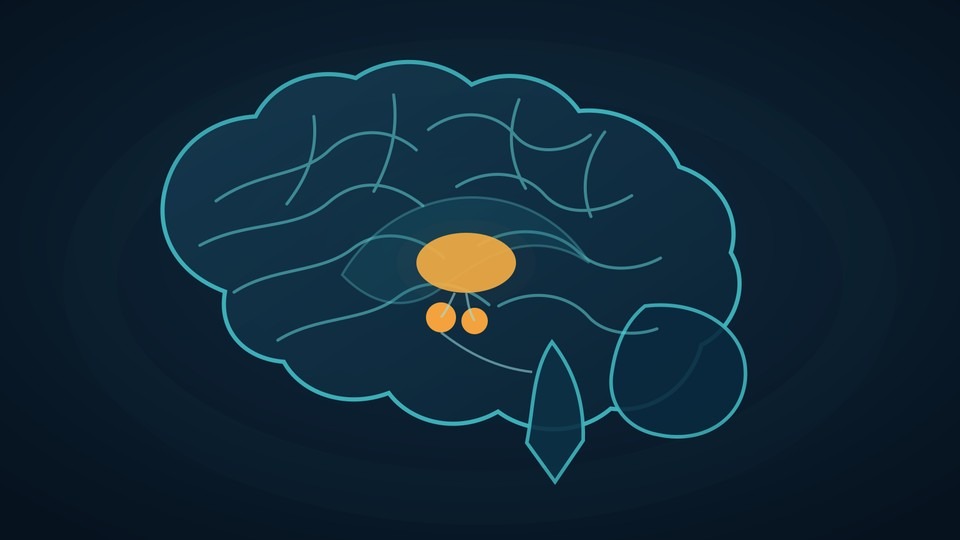
It works by binding to a subunit of calcium channels in the nervous system, which dampens the release of excitatory neurotransmitters.
Alcohol works differently but produces an overlapping result. It enhances GABA activity and suppresses glutamate, which is why it sedates, impairs coordination, and blunts judgment. Two substances arriving at the same destination by different roads is a recipe for effects that are hard to predict from either one alone.
What Happens When You Mix Them
The most common outcomes are exaggerated versions of what each drug does on its own:
- Heavy sedation and drowsiness that arrives faster and lasts longer than expected
- Dizziness, unsteady walking, and loss of coordination, which raises fall risk considerably
- Impaired judgment and slowed reaction time, making driving genuinely unsafe
- Memory gaps and difficulty concentrating
- Nausea and vomiting
- Dangerous breathing suppression in higher-risk situations, especially when opioids, benzodiazepines, underlying lung disease, older age, or excessive doses are also involved
That last item is the one that turns a bad night into an emergency. The main life-threatening concern is excessive CNS depression, particularly when gabapentin is combined with opioids or other sedating drugs that can suppress breathing.
Gabapentin alone rarely suppresses breathing dangerously in healthy adults. Combined with alcohol, or with alcohol plus a benzodiazepine or one of the drugs classified as opiates, the risk rises sharply. Gabapentin is increasingly found in polysubstance overdose deaths. In CDC data from 23 states and Washington, D.C., in 2019 and 2020, gabapentin was detected in 9.7% of overdose deaths with toxicology results, and 85% to 90% of deaths with gabapentin detected also involved an opioid. Those findings point much more strongly to polysubstance risk than to gabapentin acting alone.
| Risk factor | Why it raises danger |
|---|---|
| Higher gabapentin dose | Greater exposure may increase dizziness, sedation, and coordination problems; there is no established 900 mg/day alcohol-interaction threshold |
| Heavy or binge drinking | Higher blood alcohol concentrations increase sedation, impaired coordination, vomiting, and alcohol-overdose risk |
| Opioids in the mix | Three-way depressant combination sharply raises respiratory risk |
| Benzodiazepines in the mix | Multiple sedating drugs can increase drowsiness, impaired coordination, and CNS depression |
| Older age | Kidney clearance often declines with age, increasing gabapentin exposure; dizziness and coordination problems can also increase fall risk |
| Reduced kidney function | Gabapentin is cleared by the kidneys, so levels build up |
| Starting gabapentin or increasing the dose | Dizziness and sleepiness can occur before you know how strongly the medication affects you |
The Confusing Part: Gabapentin Is Also Used to Treat Alcohol Problems
This is where many people get tripped up. Gabapentin is prescribed off-label to help with alcohol withdrawal and to reduce cravings in alcohol use disorder, and there is reasonable evidence behind that use. Some patients hear that and reasonably conclude the two must be compatible.
The difference is clinical supervision and treatment intent. Gabapentin may be prescribed during alcohol withdrawal or as part of ongoing AUD treatment, with the dose chosen around withdrawal severity, kidney function, sedation, and other medications. That is very different from combining gabapentin and alcohol casually or using one substance to intensify the effects of the other. Its therapeutic role in AUD does not mean unsupervised co-use is risk-free.
Withdrawal from alcohol is also a medical event in its own right, with seizure risk in the more severe presentations. The alcohol withdrawal symptom timeline explains why the first 72 hours deserve professional oversight, and detox in alcohol rehab covers what supervised withdrawal involves.
Gabapentin Misuse and Dependence
Gabapentin is not federally scheduled, but several states have moved it to Schedule V, and many others require prescription monitoring reporting. There is a reason. At high doses, some people report a dissociative, euphoric effect, and it is frequently used to extend or intensify the effect of opioids. Misuse rates are far higher among people with an existing substance use disorder than in the general population.
Physical dependence is also real. Stopping gabapentin abruptly after regular use can produce anxiety, insomnia, sweating, nausea, pain, and in some cases seizures. Because withdrawal symptoms can occur after regular use, gabapentin should generally be tapered rather than stopped abruptly. The FDA-approved labeling recommends reducing the dose over at least one week, with a slower taper when clinically appropriate.
Our guide on treating benzo addiction covers many of the same principles about tapering rather than stopping cold.
Signs That Gabapentin Use Has Drifted
- Taking more than prescribed, or dosing more often than directed
- Combining it with alcohol, opioids, or benzodiazepines to boost the effect
- Requesting early refills or seeing multiple prescribers
- Continuing gabapentin without a current medical indication or outside the treatment plan agreed on with the prescriber
- Anxiety or physical symptoms when a dose is missed
- Using extra or unprescribed gabapentin on your own to manage hangovers, withdrawal symptoms, or the effects of drinking
What to Do Instead
If you are prescribed gabapentin and you drink, the honest conversation with your prescriber is the most useful step available. Dosing can often be adjusted, timing can be changed, or a different medication may fit better. Concealing the drinking is what leads to preventable harm.
If drinking is the larger problem and gabapentin has become part of managing it, that combination is worth addressing as one issue rather than two. Anxiety, chronic pain, insomnia, and other mental or physical health concerns may coexist with problematic alcohol or medication use. Identifying those conditions matters because the treatment plan should address them rather than focusing only on the substances.
This is why dual diagnosis care matters here. Our overview of medication-assisted treatment explains how medications can support recovery when they are prescribed and monitored properly, and our clinical team lays out the full range of options during intake.
Mile High Recovery Center offers residential and outpatient treatment in Denver with medical management, psychiatric care, and therapy in one plan. If you are trying to untangle alcohol from a prescription that was supposed to help, reach out and we will help you sort it out.
Gabapentin and Alcohol Frequently Asked Questions
How long after taking gabapentin can you drink alcohol?
There is no universally safe waiting period after gabapentin. Its half-life is about five to seven hours in people with normal kidney function, and it is often taken repeatedly during the day, so simply waiting a few hours does not guarantee that the interaction is gone. FDA-approved guidance says not to drink alcohol while taking gabapentin without first discussing it with your healthcare provider because alcohol can worsen dizziness and sleepiness.
Can gabapentin and alcohol be fatal?
Gabapentin and alcohol can increase sedation and impairment, and serious respiratory depression is possible in higher-risk situations. The danger is greatest when opioids, benzodiazepines, excessive doses, older age, or underlying breathing problems are also involved. Evidence for fatal respiratory depression is much stronger for gabapentin combined with opioids or other CNS depressants than for ordinary gabapentin and alcohol use alone.
Does gabapentin help with alcohol withdrawal?
Sometimes. Gabapentin is used off-label for selected cases of alcohol withdrawal and as a second-line medication option for alcohol use disorder. It may help with withdrawal symptoms, craving, sleep, or drinking outcomes in some patients. Its use should be directed by a clinician because the appropriate dose and setting depend on withdrawal severity, kidney function, other medications, and whether the person is still drinking.