
Trazodone and alcohol are a risky pair. The trazodone label warns that it may increase alcohol’s effects [1]. Both can cause sleepiness and dizziness, and trazodone can also lower blood pressure when you stand up.
That mix can lead to falls, confusion, and poor judgment, especially at night. In an overdose, combining trazodone with alcohol has been linked to deaths.
If drinking and sleep problems keep feeding each other, mental health care that treats both together can help. Below, we explain what happens when you mix trazodone and alcohol and what to do instead.
What Trazodone Is and Why It Is Used for Sleep
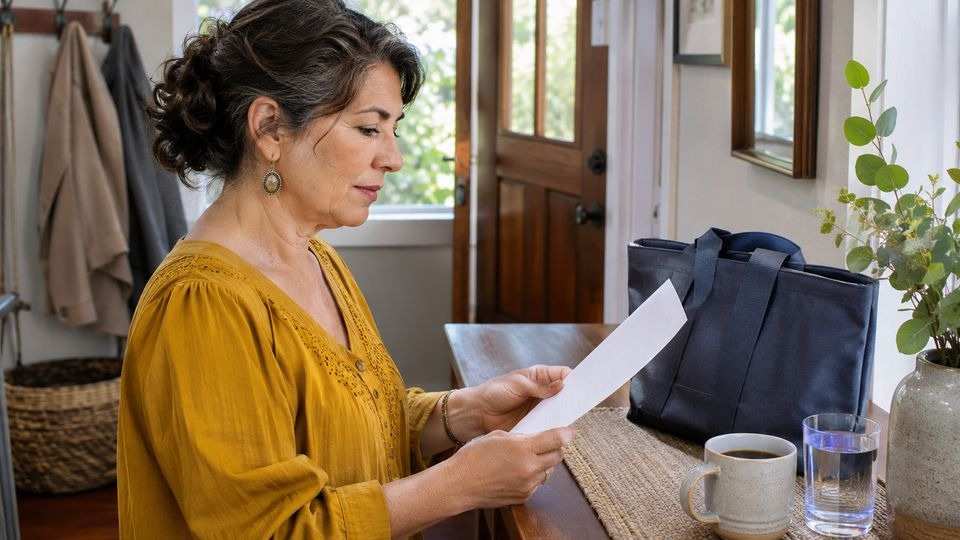
Trazodone is an antidepressant. It is FDA-approved to treat depression in adults, specifically major depressive disorder, also called major depression.
An Antidepressant and a Sleep Aid
Trazodone works in two ways. It is a serotonin reuptake inhibitor, which raises serotonin activity. It is also a serotonin antagonist, which means it blocks certain serotonin receptors.
Because it causes drowsiness, trazodone is commonly prescribed off-label for sleep problems. Off-label means a use the FDA has not approved. Our guide to antidepressants and alcohol compares trazodone with other common medicines.
Why People Mix It With Alcohol
Some people drink to fall asleep, then take trazodone too. Others take trazodone and have a drink with dinner without thinking about it.
Alcohol may make you feel sleepy, but combining it with a sedating medicine can increase impairment and other adverse effects [2]. The combination should not be used as a sleep strategy.
What Happens When Mixing Trazodone and Alcohol
Mixing alcohol with trazodone slows the brain down, since both alcohol and trazodone have that effect. Alcohol is one of the central nervous system depressants, also called CNS depressants. It boosts inhibitory neurotransmitters, the brain chemicals that calm activity.
Stronger Sedative Effects
The trazodone label says it may enhance the response to alcohol and other CNS depressants [1]. In other words, the sedative effects add up.
In studies, drowsiness was one of the most common side effects of trazodone on its own. Adding alcohol can push that into extreme drowsiness, impaired judgment, and slow reactions.
Dizziness and Blood Pressure Drops
Trazodone can cause orthostatic hypotension. That is a drop in blood pressure when you stand up, which can make you dizzy or faint.
Alcohol can also make you dizzy and unsteady. Together, the two substances bring an increased risk of falls, especially on the way to the bathroom at night.
Heart Rhythm Problems
Trazodone can affect the heart’s rhythm, a problem called QT prolongation. It can cause an irregular heartbeat in some people, especially those with heart disease.
Tell your healthcare provider about any heart problems before taking trazodone. Get help right away if you feel your heart racing or skipping, or if you faint.
Serious Adverse Effects to Know
Trazodone and alcohol can increase sleepiness, dizziness, and impaired judgment. Responses vary, and there is no reliable estimate of how many people experience each effect. Serious reactions are possible, particularly with heavy drinking, overdose, or other sedating medicines.
Overdose Risk
The label notes that deaths from overdose have happened when people took trazodone along with alcohol or other sedating prescription drugs [1]. A trazodone overdose can cause seizures, breathing that stops, heart rhythm changes, and other health complications.
Call 911 if someone is very hard to wake, has trouble breathing, or has a seizure. For poison help, call the Poison Control Center at 1-800-222-1222.
Serotonin Syndrome and Bleeding
Trazodone can cause serotonin syndrome, a serious condition caused by too much serotonin activity. The risk is higher when it is taken with other medicines that raise serotonin.
It can also bring an increased bleeding risk, especially with aspirin, ibuprofen, or blood thinners. Tell your provider about all prescription medications and supplements you take.
Priapism
Trazodone can rarely cause a prolonged erection. An erection lasting more than 4 hours, whether painful or not, needs emergency medical care. The label says to stop trazodone and seek emergency attention if this occurs [1].
Is It Safe to Drink a Little on Trazodone?
The trazodone patient guide says not to drink alcohol or take other medicines that make you sleepy or dizzy until you talk with your healthcare provider. That is the safest place to start before drinking alcohol.
People react differently, and the amount of alcohol consumed matters. Heavier alcohol consumption raises the risk. Healthcare professionals can look at your health, your other medicines, and your drinking.
If You Already Had a Drink
If you have been consuming alcohol and are due for your bedtime trazodone, call your pharmacist or prescriber for advice. Do not double up or change your dose on your own.
If you feel very drowsy, dizzy, or faint, do not drive. Have someone stay with you if you feel unwell.
Do Not Stop Trazodone Suddenly
Stopping trazodone suddenly can cause withdrawal symptoms like anxiety, agitation, and trouble sleeping. That is a sign of physical dependence on the medicine, which is not the same as addiction. The label says to lower the dose slowly with your doctor rather than stopping all at once.
Trazodone is not a controlled substance. Its abuse potential has not been systematically studied, although clinical studies did not show drug-seeking behavior. Misuse, especially with alcohol or other sedating substances, can still be dangerous.
When Alcohol Use Is the Bigger Problem

Some people rely on alcohol to sleep or to cope with depression. Over time, that can turn into alcohol abuse, alcohol dependence, or alcohol addiction. Doctors call this alcohol use disorder, a type of substance use disorder.
How Drinking Affects Depression and Sleep
Heavy drinking can worsen depression and add to sleep disturbances. Substance abuse and depression often feed each other, which makes depressive symptoms and mood disorders harder to treat.
If you rely on alcohol to sleep, a provider can help you find safer options. Treatment for alcohol use disorder can also help.
Do Not Stop Heavy Drinking Alone
If you drink heavily every day, stopping suddenly can cause alcohol withdrawal. That can be dangerous and needs medical care.
Some people need medical detox, where staff manage withdrawal safely. Mile High Recovery Center does not provide detox on-site but works with trusted detox partners and continues your care afterward.
Other Medicines in This Guide
Each medicine in this guide has its own alcohol risks. Our chapter on seroquel and alcohol covers another sedating medicine often used at night.
If you take an SSRI during the day, our chapter on zoloft and alcohol explains that mix. For a medicine with a different risk, see why bupropion changes the seizure math.
Addiction Treatment and Support in Denver
You do not have to sort out medicine, mental health, and drinking on your own. Mile High Recovery Center in Denver offers care for co-occurring mental health conditions and alcohol use, including residential and outpatient treatment.
That includes an intensive outpatient program that fits around work and family. Call (303) 268-2144 to talk it through.
Trazodone and Alcohol: Frequently Asked Questions
Is Trazodone Safe if I Had a Couple of Drinks?
It is not considered safe. The trazodone label says it may increase the effects of alcohol, and both cause drowsiness and dizziness. If you have been drinking, do not drive, and call your pharmacist before your next dose or 911 if someone is very hard to wake.
Can You Take Trazodone With Alcohol for Sleep?
No, mixing them for sleep is risky. Alcohol changes sleep and can lower sleep quality, and combining it with trazodone can cause extreme drowsiness, dizziness, and falls. Talk with your healthcare provider about safer ways to sleep and about treatment for alcohol use.
What Happens if You Mix Trazodone and Alcohol?
You may feel much sleepier and dizzier than usual, and your blood pressure may drop when you stand. Judgment and reaction time can suffer, which raises the risk of falls and crashes. In overdoses, deaths have happened when trazodone was taken along with alcohol or other sedating drugs.
How Long After Taking Trazodone Can I Drink Alcohol?
There is no established safe waiting interval for drinking after trazodone. Effects can vary with dose, other medicines, and how your body clears it. Avoid alcohol until you have discussed the combination with your prescriber or pharmacist, and do not skip or change doses to create a drinking window.
Sources
- Zydus Pharmaceuticals. Trazodone Hydrochloride Tablets Prescribing Information and Medication Guide. Revised July 2026. https://dailymed.nlm.nih.gov/dailymed/drugInfo.cfm?setid=007f38e0-653b-43e4-a1c1-b59997b2762a
- National Institute on Alcohol Abuse and Alcoholism. Alcohol-Medication Interactions: Potentially Dangerous Mixes. https://www.niaaa.nih.gov/health-professionals-communities/core-resource-on-alcohol/alcohol-medication-interactions-potentially-dangerous-mixes