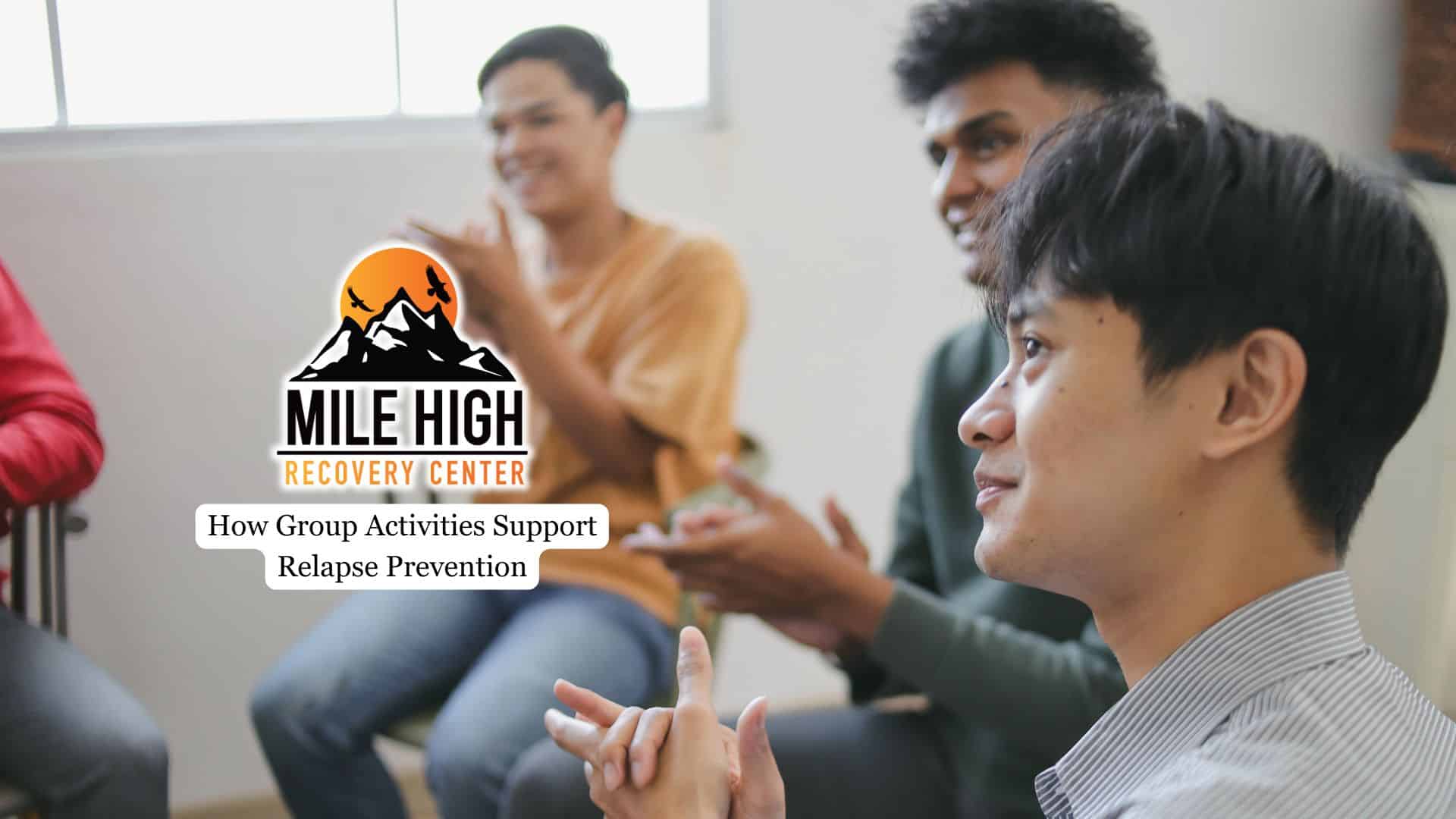

Relapse prevention is a cornerstone of addiction recovery. For many individuals overcoming substance use disorders or mental health challenges, the risk of relapse remains highest during early recovery but can persist for years without consistent support. While one-on-one therapy and medical interventions play an important role, group activities and therapy provide unique benefits that extend far beyond what individual approaches can offer.
This article explores how group activities support relapse prevention and why they are considered an essential part of sustainable recovery.

Emotional Support and Community
Isolation is one of the strongest predictors of relapse. When individuals feel disconnected, loneliness can trigger cravings, depression, and self-destructive behavior. Group activities combat this isolation by fostering a strong sense of community and belonging.
In recovery groups, individuals meet others who understand their challenges firsthand. This sense of shared experience creates empathy and compassion, allowing participants to feel less judged and more understood. Individuals in group therapy often describe it as a “compelling emotional experience,” one that strengthens bonds and builds resilience. Groups provide one of the most powerful buffers to prevent relapse as they replace isolation with connection.
Accountability and Motivation
Recovery requires consistency, and accountability plays a key role in staying on track. Group activities, especially those offered through a structured relapse prevention program, introduce a system of peer accountability that encourages members to remain committed to their goals.
When participants share updates about their progress, setbacks, or strategies, they reinforce their own commitment while motivating others in the group. Witnessing peers succeed also provides inspiration and serves as a reminder that change is possible. This “positive peer pressure” creates momentum that can carry individuals through difficult times. Knowing that others care about their progress makes it harder to slip back into harmful behaviors unnoticed.
Coping Strategies to Manage Triggers
One of the most valuable aspects of group activities is the chance to practice real-world coping skills in a supportive environment. Many recovery groups incorporate evidence-based approaches like Cognitive Behavioral Therapy (CBT), mindfulness training, or relapse prevention workshops.
Through role-playing, problem-solving exercises, and guided discussions, participants learn how to recognize triggers, manage cravings, and develop healthier responses to stress. Just as importantly, practicing these skills with peers builds confidence. Individuals become more prepared to handle high-risk situations outside the group setting, reducing the likelihood of relapse.
Creative and Mind–Body Activities
Having a relapse prevention plan is not just about avoiding substances. It’s about building a healthier, more fulfilling lifestyle. Many group activities extend beyond traditional talk therapy to include creative and physical practices that promote well-being.
Examples include yoga classes, art therapy, meditation circles, and group fitness programs. These activities provide positive outlets for emotions, improve mental clarity, and help regulate stress. Studies have also shown that exercise can significantly reduce substance use while improving mood and overall health. By engaging both the mind and body, group activities offer a holistic approach to relapse prevention that supports long-term wellness.

Reducing Stigma and Boosting Self-Esteem
Shame and stigma often fuel the cycle of relapse. Many individuals struggling with addiction feel judged or misunderstood, which can lower self-esteem and make recovery harder to sustain. Group activities provide an antidote by normalizing the recovery experience.
In group settings, participants share stories openly and realize they are not alone in their struggles. This reduces self-blame and fosters self-compassion. Observing others succeed in their recovery journey also reinforces the belief that healing is possible. These shared experiences build self-confidence, a critical ingredient for staying sober and resisting relapse.
Cost-Effectiveness and Long-Term Peer Networks
Group therapy is typically more cost-effective than individual therapy while still offering professional guidance and a support system. For many people, this makes consistent participation more financially sustainable.
The relationships built in group activities often extend beyond structured sessions. Many individuals continue to connect with peers outside of group therapy, creating long-term networks of support. These ongoing connections can provide encouragement during difficult times and ensure that recovery remains a shared, sustainable effort.
Healing by Helping Others
One unique feature of group activities is the helper-therapy principle, the idea that helping others is also healing for the helper. In recovery groups, participants not only receive support but also offer encouragement and guidance to others.
This exchange strengthens recovery by increasing self-worth, improving confidence, and reinforcing positive behaviors. Peer support also allows individuals to share lived experience, which often resonates more deeply than professional advice alone. By becoming both learners and helpers, group members strengthen their commitment to sobriety while empowering others to do the same.
Final Thoughts from Mile High Recovery
Group activities are much more than social gatherings, they are a vital part of relapse prevention and long-term recovery. By fostering social support, accountability, structure, and healthier lifestyles, group participation helps address many of the psychological and behavioral challenges that can fuel relapse.
The relapse prevention program in Denver, CO, that we offer at Mile High Recovery is rooted in cognitive-behavioral therapy, which equips clients with specific skills to identify and manage relapse triggers—whether internal emotions or external situations. This program helps individuals develop personalized prevention plans that include coping strategies and proactive responses to high-risk circumstances, making relapse an anticipated yet manageable part of recovery. With skillful facilitation and engaging collaborative activities, participants also rebuild interpersonal skills that may have been strained during active substance use.
If you or a loved one is in need of addiction treatment in Colorado, we have both inpatient and outpatient programs available:
Inpatient Rehab Colorado
Intensive Outpatient (IOP) Denver
Or call us at:
(303) 268-2144