

You’ve likely heard the terms “purple drank,” “sizzurp,” or “Texas tea” in music or on social media, but what is lean drink, really? Behind the casual slang lies a dangerous and highly addictive concoction made from prescription cough syrup containing codeine and promethazine, mixed with soda and hard candy. Its prevalence in pop culture masks a serious risk for substance abuse, physical dependence, and overdose. This article breaks down what the lean drink includes, explores the dangerous effects that make it so addictive from a treatment perspective, and explains how you can find help for lean addiction.
Key Takeaways
- Lean is a dangerous mixture of prescription-strength codeine (an opioid) and promethazine (a sedative) with soda and candy.
- Its high potential for addiction comes from the euphoric effects of codeine, which can quickly lead to physical dependence and severe withdrawal symptoms.
- The primary danger is respiratory depression, where breathing slows down or stops, especially when mixing codeine with alcohol.
- Long-term use can cause significant health problems, including liver damage, tooth decay, and an increased risk of overdose.
- Effective treatment programs are very helpful for managing lean withdrawal symptoms and addressing the root causes of substance use disorders.
The Dangerous Effects of Lean (Purple Drank)

Lean gets its name from the physical effect it produces; users typically lean to one side when under the influence of the drink due to its powerful sedative properties. The combination of codeine and promethazine causes significant drowsiness and loss of muscle control, making it difficult to stand or sit upright without involuntarily tilting.
The effects of lean are directly tied to these two primary ingredients.
- Codeine is an opioid that, while prescribed for pain and coughs, produces feelings of euphoria and relaxation when taken in high doses. This is what drives the initial appeal and abuse.
- Promethazine is an antihistamine that acts as a sedative, amplifying the depressant effects of codeine.
drink its name. The sweet taste masks the danger, encouraging high doses that can easily overwhelm the body. According to the National Institute on Drug Abuse (NIDA), polysubstance use significantly increases the risk of a fatal overdose. This combination slows down the central nervous system, leading to the sluggish, “leaning” posture that gives the drink its name in popular culture. The sweet taste masks the danger, encouraging high doses that can easily overwhelm the body.
Why Lean Addiction Is Addictive
Lean addiction develops from the brain’s reaction to the consistent presence of codeine. As an opioid, codeine binds to opioid receptors in the brain, creating a powerful sense of pleasure and reward. Your brain quickly adapts and begins to rely on the drug to feel normal, establishing a physical dependence. Soon, you need to consume more of the substance more often to achieve the same high, a process known as tolerance. This cycle is the hallmark of a substance use disorder.
The desire to avoid the intense discomfort of withdrawal symptoms becomes a primary motivator for continued use, trapping you in a dangerous pattern of abuse. The perceived glamour of drinking lean in hip-hop and EDM party scenes often minimizes how quickly a recreational habit can turn into a life-altering addiction.
Recognizing Lean Withdrawal Symptoms

Once your body becomes physically dependent on codeine, trying to quit will trigger a range of deeply unpleasant withdrawal symptoms. These symptoms, which are largely opioid withdrawal symptoms, are a major barrier to stopping use without professional help.
Common lean withdrawal symptoms include:
- Intense cravings for the substance
- Muscle aches, bone pain, and involuntary leg kicks
- Nausea, vomiting, and diarrhea
- Anxiety, agitation, and severe mood swings
- Insomnia and exhaustion
- Cold sweats and goosebumps
The severity and duration of withdrawal depend on the level of use, but the experience is often compared to a severe case of the flu, combined with intense psychological distress.
If you or a loved one is in need of addiction treatment in Colorado, we have both inpatient and outpatient programs available:
Or call us at: (303) 268-2144
The High Risk of Overdose When Drinking Lean
The single most life-threatening risk of drinking lean is an opioid overdose. This occurs when the high doses of codeine, a central nervous system depressant, overwhelm your body’s ability to function.
| Stage | Key Signs | Bodily Function Affected | Critical Danger |
|---|---|---|---|
| 1. Intoxication | Drowsiness, slurred speech | Central Nervous System | Impaired judgment, loss of coordination |
| 2. Severe Intoxication | Extreme sleepiness, confusion | Respiratory System | Breathing becomes slow and shallow |
| 3. Overdose | Unconsciousness, limp body | Brain and Heart | Person may stop breathing, leading to coma |
| 4. Fatal Overdose | Bluish skin, no response | All Vital Systems | Respiratory arrest, cardiac arrest, death |
Why Mixing Codeine and Alcohol is a Deadly Combination
Mixing codeine with alcohol is one of the most dangerous forms of substance abuse. Both are central nervous system depressants, and when taken together, their effects are not just added, they are multiplied. This synergistic effect dramatically increases the risk of severe respiratory depression. Your breathing can become dangerously shallow or stop completely, leading to a fatal overdose. Many accidental deaths related to lean use involve alcohol mixed with the concoction.
Treatment Options for Lean Addiction
Overcoming lean addiction is possible with the right support. Professional treatment programs provide a safe, structured environment to manage the physical and psychological aspects of recovery.
| Program | Intensity | Focus | Best For |
|---|---|---|---|
| Medical Detox | High | Safely managing withdrawal | Initial stage of recovery |
| Inpatient/Residential | High | Intensive therapy, 24/7 support | Severe substance use disorders |
| PHP/IOP | Medium | Structured therapy, more independence | Transitioning from inpatient care |
| Outpatient/Aftercare | Low | Ongoing support, relapse prevention | Maintaining long-term sobriety |
What is Lean Drink? FAQs
What does lean drink look like?
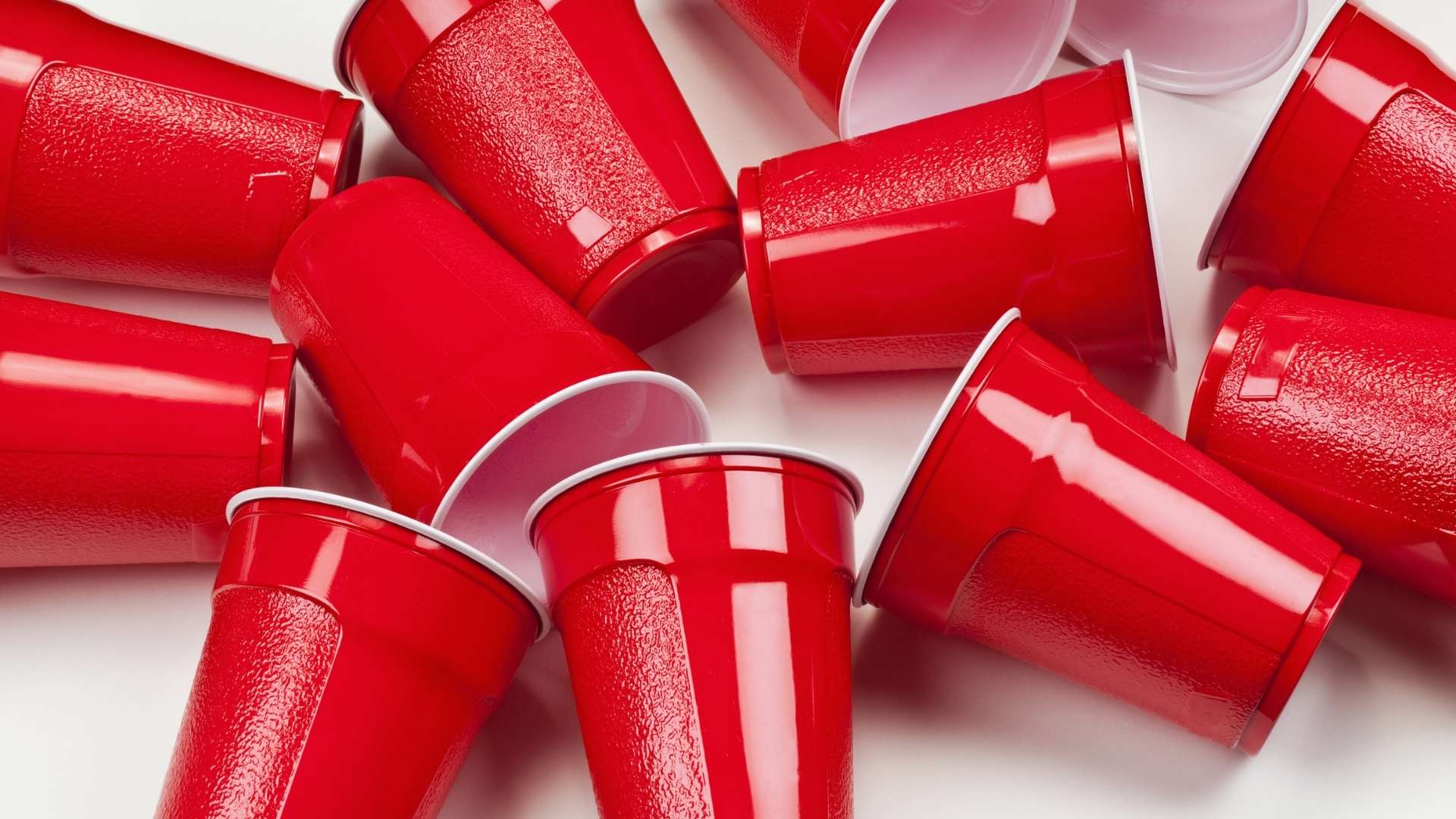
Lean, or purple drank, traditionally has a distinctive purple color, which comes from the dyes in the prescription cough syrup. However appearance varies, and some cough syrup don’t tint the drink purple. It is usually served in a styrofoam or party cup mixed with a clear soda like Sprite or Mountain Dew and often contains Jolly Ranchers or other hard candies.
How long do the effects of lean last?
The effects of lean usually begin within 20 to 60 minutes of consumption and can last for four to six hours. The peak of the high typically occurs within one to two hours. However, the substance can be detected in your system for much longer.
Is having a lean addiction the same as a heroin addiction?
While both are opioid use disorders, they are not identical. Codeine is a less potent opioid than heroin, but it still carries a high potential for addiction and overdose. For some, a lean addiction could be a gateway to the use of more powerful opioids as their tolerance builds.
Find Your Way Forward at Mile High Recovery Center
The path out of lean addiction can feel overwhelming, but you don’t have to figure recovery out alone. This illicit substance poses a high risk to your health and future. At Mile High Recovery Center, we walk with you from the first step through real, lasting recovery, offering evidence-based treatment programs tailored to your unique needs. Our team is here to help you safely manage withdrawal symptoms and build a new way forward.
At Mile High Recovery Center, we meet you where you are and walk with you every step of the way. Whether you’re just starting out or transitioning from another level of care, our Denver-based team offers compassionate, inclusive treatment built on real community. LGBTQ+-affirming and welcoming to all, take the first step today.