


What are coping skills, and why are they so important when someone is in substance use disorder treatment? When a loved one is in recovery, the entire family system begins a journey of healing. As your family member learns new ways to navigate life without substances, it’s equally important for you, their support system, to develop your own set of tools. These tools, often called coping skills, are the strategies you use to manage stress, process emotions, and maintain your own well-being. This guide offers a compassionate look at what coping skills are, why they matter, and how you can build healthy ones for the road ahead.
Key Takeaways
- Coping skills are essential for managing the stress that comes with supporting a loved one in recovery.
- There are two primary coping styles: problem-focused (addressing the stressor directly) and emotion-focused (managing your emotional response).
- Healthy coping skills, such as deep breathing and seeking support from a group, reduce stress, while unhealthy ones can make things worse in the long run.
- Support from a mental health professional can help families develop effective strategies tailored to their unique situation.
What are Coping Skills Useful For?

Healthy coping skills are conscious, positive strategies that help you manage stressful situations and the emotional responses that come with them. Think of them as your personal toolkit for resilience. Instead of turning to unhealthy habits that may provide temporary relief but cause long-term harm, you learn to rely on constructive methods. For families navigating a loved one’s recovery, this is not a luxury but a necessity. The journey can bring a whirlwind of emotions, fear, anxiety, hope, and frustration.
Families who actively develop and practice relaxation exercises and other coping mechanisms report better outcomes and improved overall well-being. One study published in Addiction found that engaged and tolerant-inactive coping strategies showed reliability in managing stress and strain in families with alcohol, drug, or gambling problems.
These skills empower you to respond to challenges with a clear mind rather than reacting out of panic or fear. They create the emotional space needed to offer genuine support without sacrificing your own mental health.
Top 3 Coping Skills for Families of Someone in Recovery
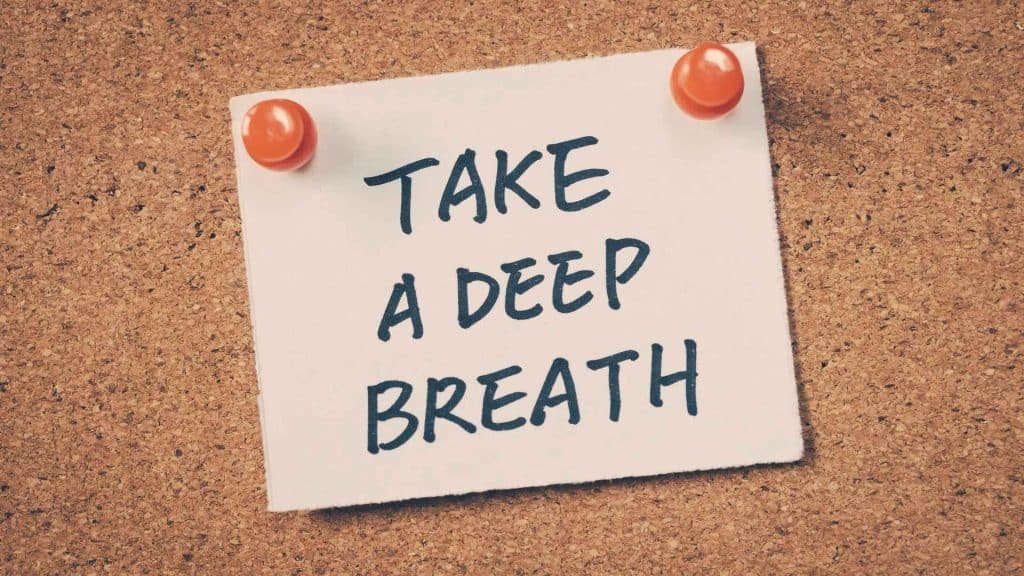
Building a robust set of coping skills takes time and practice. It’s about creating new habits that your brain and body can turn to automatically during tough times. Here are some healthy ways to start:
1. Practice Emotion-Focused Techniques Daily
When so much is outside your control, managing your reaction becomes your greatest power. Build a daily habit around at least one of these:
- Deep breathing: Inhale for 4 counts, hold for 4, exhale for 6. Do this at the first sign of anxiety or during a tense conversation.
- Guided imagery or mindfulness meditation: Especially useful when your mind is spiraling into “what ifs” about the future.
- Physical activity: Even a 20-minute walk can meaningfully reduce anxiety and depression. Your body needs an outlet for the stress your mind is carrying.
- Write It Down: Journaling can be a powerful tool to process feelings without judgment. Write down your fears, hopes, and frustrations to get them out of your head.
- Prioritize Enough Sleep: Stress and sleep are deeply connected. Aim for 7-9 hours of quality sleep per night. If you’re struggling, consider a relaxation app or talking to a professional.
The Power of Emotion-Focused Coping Strategies
While problem-focused coping is about changing the situation, emotion-focused coping is about changing your reaction to it. When your loved one is in treatment, many things are outside your control. This is where emotion-focused strategies become your anchor. They help you regulate your feelings so you can navigate the uncertainty without becoming overwhelmed.
Techniques like mindfulness, meditation, and even simple physical activity can have a profound impact. According to the American Psychological Association, regular exercise can be as effective as medication for reducing symptoms of anxiety and depression for some individuals. By focusing on your own emotional health, you model healthy behavior for your loved one and ensure you have the strength to continue offering support. It is a critical act of self-preservation that benefits everyone involved.
| Strategy Type | Specific Action | When to Use It | Potential Benefit |
|---|---|---|---|
| Mindfulness | Guided Imagery | When feeling overwhelmed by future worries. | Calms the mind and reduces anxiety. |
| Physical Release | Using a stress ball | During a tense phone call or moment of frustration. | Provides a physical outlet for stress. |
| Breathing | Deep Breathing Exercises | At the onset of panic or fear. | Lowers heart rate and promotes calm. |
| Social | Calling a Support Person | After a difficult visit or conversation. | Reinforces that you are not alone. |
2. Find and Lean on a Support Group
You are not meant to carry this alone. Groups like Al-Anon exist specifically for families in your situation, people who genuinely understand the fear, hope, and exhaustion of this journey. A good support group offers:
- Validation that your feelings are normal
- Practical strategies from people who’ve been there
- A consistent reminder that you are not isolated
Social support is one of the best known buffers against chronic stress. A study published in Drug and Alcohol Review found that family-focused interventions have evidence to support positive outcomes for both family members and the person in treatment.
How Do I Find the Right Support Group?
Start by asking your loved one’s treatment center for recommendations, as many have family-specific resources. Organizations like Al-Anon have searchable online directories to find local or virtual meetings. Your primary care doctor or a therapist can also point you in the right direction. Try a few different groups before deciding which feels like the right fit.
You don’t have to navigate this journey alone. A support group, whether a formal program like or an informal group of friends who understand, provides a safe space to share experiences and gain support. Hearing from others who have walked a similar path can validate your feelings and provide practical strategies that have worked for them. Social support is one of the most effective buffers against stress.
If you or a loved one is in need of addiction treatment in Colorado, we have both inpatient and outpatient programs available:
Or call us at: 303-268-2144
3. Problem-Focused Coping: Cope Proactively Before the Crisis Hits
Reactive coping is necessary, but proactive coping is where you regain a sense of control. Get ahead of stress by:
- Setting clear boundaries around communication, finances, and triggers before conflicts arise
- Scheduling time with a therapist or counselor as a standing appointment, not just when things fall apart
Proactive coping shifts you from a position of scrambling to one of preparedness, and that difference is enormous over the long haul.
Proactive Coping vs. Reactive Coping
Coping strategies can be divided into two main approaches: proactive and reactive.
- Proactive Coping: This involves anticipating potential stressors and taking steps to prevent them or reduce their impact. For a family in recovery, this could mean setting clear boundaries around communication or finances before a crisis occurs.
- Reactive Coping: This involves responding to a stressful situation that is already happening. Examples include using deep breathing exercises to calm down during a difficult conversation or calling a friend from your support group after a tense interaction.
While both are necessary, a focus on proactive coping can reduce the amount of stress you experience. It puts you in a position of control and preparedness, which is invaluable.
| Coping Style | Goal | Example for Families |
|---|---|---|
| Problem-Focused | Aims to remove or reduce the cause of the stressor. | Researching and finding a local family support group. |
| Emotion-Focused | Aims to manage the emotional distress associated with the situation. | Practicing guided imagery to calm feelings of anxiety. |
| Proactive Coping | Taking action to prevent future stressors. | Creating a family agreement on how to handle potential triggers. |
| Support-Seeking | Gaining support from others to manage stress. | Scheduling regular check-ins with a therapist or counselor. |
What are Coping Skills? Frequently Asked Questions (FAQs)
What is the best approach for developing coping skills?
The best approach is a personalized one. Start by identifying your primary stressors and then experiment with different healthy coping skills, like exercise or mindfulness, to see what works for you. Combining problem-focused and emotion-focused strategies is often most effective.
How can I help my family practice healthy coping strategies?
Model the behavior yourself. When you use deep breathing to manage stress, you show them a healthy way to respond. You can also suggest activities you can do together, like going for a walk or trying a guided imagery exercise as a family.
Your Partner in the Journey: Mile High Recovery Center
At Mile High Recovery Center, we understand that recovery is a process for the entire family. While your loved one receives clinical care, we provide the resources and guidance you need to heal and grow alongside them. Our approach is built on community, compassion, and the belief that you don’t have to figure this out alone. We walk with you from the first step through real, lasting recovery for the whole family.