


Cocaine has carried a reputation as a glamorous party drug for decades, yet the science behind why it feels the way it does is rarely discussed in honest terms. What does cocaine feel like in the moment, and what happens to the body and brain afterward? Understanding the rush, the peak, and the crash helps explain why this stimulant can feel rewarding and why it so often turns dangerous. If cocaine use has begun to worry you or someone close to you, professional substance abuse treatment can interrupt the cycle before lasting harm sets in.
What Does Cocaine Feel Like in the First Moments?

The first wave of a cocaine high tends to feel like a sudden surge of confidence, energy, and pleasure. Cocaine makes people feel alert, talkative, and euphoric, with heightened awareness of senses such as sound, touch, sight, and sexuality. Many people feel sharper and more social within minutes, while others quickly feel anxious, irritable, or paranoid.
The intensity depends on how the drug enters the body. Smoking crack or injecting delivers an almost instant spike, while snorting cocaine builds more gradually. Whatever the route, the appeal is the same: a quick lift that feels louder than ordinary life.
How Cocaine Affects the Brain
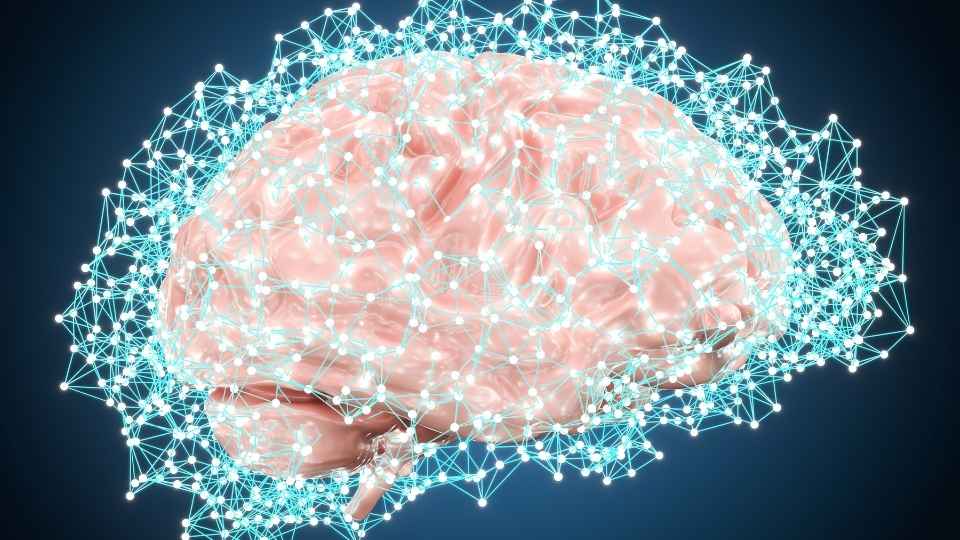
Cocaine blocks the reuptake of dopamine, serotonin, and norepinephrine in the brain. With nowhere to go, dopamine and other neurotransmitters build up in the synapse and help produce the euphoric cocaine high, stimulation, and physical arousal. The brain reads this flood as a signal that something extraordinarily rewarding has happened.
The Cocaine High and the Reward System
With regular use, the reward system recalibrates. The brain produces less natural dopamine and responds less to everyday pleasures, which is part of why addiction takes hold so quickly. Similar reward shifts appear with other addictive substances like heroin, but cocaine acts on the system unusually fast.
Compassionate Cocaine Addiction Treatment in Colorado
Cocaine addiction can feel overwhelming, but recovery is possible with the right care and support. Mile High Recovery Center provides personalized, evidence-based treatment to help individuals address substance use, rebuild stability, and move toward lasting recovery.
The Pharmacology of Cocaine Use
From the Coca Bush to a Fine Powder
Cocaine is extracted from the leaves of the coca bush, a plant native to South America. After processing, the result is a fine powder called cocaine hydrochloride. On the street, it goes by names like coke or blow, and dealers often cut it with cheaper substances such as talcum powder, baking soda, or other drugs, including fentanyl in some cases, which can change the smell, color, potency, and risk of what someone actually buys.
Cocaine Hydrochloride and Crack Cocaine
Cocaine hydrochloride is the powdered form, typically taken by snorting. Crack cocaine is made by mixing cocaine hydrochloride with water and a base, then drying the mix into rocks that can be smoked. The smell of crack when smoked is often described as harsh or chemical, very different from the faint smell of powder. Smoking crack delivers the drug to the brain almost instantly.
The Rush: Methods of Using Cocaine
How someone is taking cocaine shapes how the rush feels and how long it lasts.
Snorting Cocaine
Snorting cocaine produces a high that begins within a few minutes and lasts roughly 15 to 30 minutes. People often describe a strong burst of energy followed by a quicker fade than expected, which can push them to take more cocaine.
Smoking Cocaine and Injecting
Smoking cocaine in the form of crack or injecting it produces a faster, sharper rush, but the duration is even shorter, often only 5 to 10 minutes for smoking and similarly brief with injection. The noticeable effects of a cocaine high typically last from a few minutes to about an hour, depending on the method of use, with intranasal use lasting roughly 15 to 30 minutes.
The Peak: Physical Effects of Cocaine
The peak places real strain on the body. Cocaine increases sympathetic nervous system activity, producing a cluster of physical effects that can be confirmed in any clinical setting.
| System | Effect |
|---|---|
| Cardiovascular | Fast heart rate, high blood pressure |
| Eyes | Dilated pupils |
| Temperature | Increased body temperature |
| Vasculature | Constricted blood vessels |
| Respiratory | Breathing problems with heavy use |
Cardiovascular and Body Temperature Strain
A fast heart rate paired with high blood pressure can increase the risk of stroke and heart attack, even in young or otherwise healthy users. Elevated body temperature adds further stress, especially in hot environments or during physical exertion. Constricted blood vessels can also reduce blood flow to vital organs and contribute to chest pain.
Mental Health Effects During the Peak
Cocaine and mental health are tightly linked. Some users feel anxious, jittery, or paranoid even at the height of the high. Higher doses can spark panic attacks, aggression, and impulsive risk-taking. With heavy or prolonged use, some people drift into stimulant psychosis, which can include hallucinations and persistent paranoia. The connection between substances and the mind is one reason stimulant abuse and addiction tend to require integrated care rather than treatment of physical symptoms alone.
The Crash: After Using Cocaine
Once the peak fades, the crash begins. After the initial high from cocaine, users often experience a crash marked by anxiety, depression, and intense cravings for more of the drug. People feel exhausted and depressed, and the urge to use again can be strong enough to drive another binge within hours. The crash that follows the high is just the start, and our cocaine withdrawal timeline walks through the days that follow.
Cocaine Withdrawal Symptoms
Cocaine withdrawal looks different from alcohol or opioid withdrawal. The symptoms are mostly psychological, but they are still difficult to navigate without help. Anyone who has compared this with alcohol withdrawal hallucinations or benzo belly symptoms will notice that cocaine recovery has its own pattern.
Common withdrawal symptoms include:
- Exhaustion and disturbed sleep
- Depression and low mood
- Irritability and mood swings
- Increased appetite
- Intense cravings that can linger for weeks
The first few days are often the hardest, though cravings, mood changes, and sleep problems can continue for weeks without support.
Cocaine Overdose and Acute Risk
A cocaine overdose can be fatal. Cocaine overdose symptoms can include severe chest pain, seizures, stroke, dangerously high blood pressure, and breathing problems. Overdosing on cocaine can result in life-threatening symptoms, and immediate medical care is often needed to prevent death. The risk rises sharply when too much cocaine is taken in a short window, when the drug is mixed with alcohol, heroin, or other drugs, or when cocaine is contaminated with fentanyl or related substances.
Warning Signs of Cocaine Overdose
- Chest pain or tightness
- Severe confusion or extreme agitation
- Seizures
- Difficulty breathing
- Loss of consciousness
If you suspect a cocaine overdose, call 911 right away.
When Cocaine Is Mixed With Other Drugs
Cocaine mixed with alcohol creates cocaethylene in the liver, a metabolite linked to higher cardiac risk. Cocaine combined with opioids such as heroin or fentanyl, sometimes called a speedball when used intentionally, has been responsible for many fatal overdoses. Sharing needles when injecting also raises the risk of HIV and hepatitis C. Drug abuse rarely involves only one substance, and the combinations are often more dangerous than people realize.
Long-Term Effects of Regular Cocaine Use
Regular cocaine use can lead to long-term effects on the brain, body, and relationships. Cocaine affects the brain’s reward circuits in ways that can persist long after someone stops, including ongoing cravings and reduced response to natural rewards. Many people who begin with occasional weekend use eventually find that cocaine has become harder to control than they expected.
Chronic snorting can erode cartilage in the nose and dull the sense of smell. Chronic smoking can lead to lung damage. Long-term users may also struggle with persistent paranoia, depression, and damage to the heart. When the rush stops working and use becomes compulsive, the next step is usually weighing IOP, PHP, and residential treatment for the right level of care.
Cocaine Use and Mental Health Over Time
Anxiety, depression, and trauma often drive someone to begin using cocaine, and chronic use tends to deepen those same conditions. Dual diagnosis care, which treats addiction and mental health together, generally produces better outcomes than addressing either alone. Structured programs like inpatient addiction treatment provide the support some people need to break free, especially when self-esteem has eroded over years of use.
Signs of Cocaine Addiction
Common signs include:
- Mood swings and irritability between uses
- Bursts of energy followed by deep fatigue
- Changes in sleep and appetite
- Trouble at work, school, or with friends
- Spending more on cocaine than the person can afford
- Continued use despite medical or social harm
Cocaine is highly addictive. Tolerance can make someone use more cocaine to chase the same high, while sensitization may make some negative effects, such as paranoia, anxiety, or physical danger, appear more easily over time. Many people who become addicted to cocaine never expected it to happen.
Finding Support and Recovery
Treatment for someone addicted to cocaine usually combines detox, therapy, and ongoing support. Cognitive behavioral therapy, contingency management, and peer recovery groups all play a role, and clinical guides on how long cocaine rehab lasts and the benefits of stimulant addiction treatment can help families understand what to expect.
Rehab and Addiction Treatment Concerns
Many people worry about common fears of rehab, the psychology behind inpatient care, or whether insurance pays for rehab, and what inpatient rehab costs before reaching out. Comprehensive substance abuse treatment addresses physical, psychological, and social factors together.
Reaching out to a clinician, a family member, or a trusted friend is usually the hardest and most important first step. For people whose use has moved past recreational, our guide on how long cocaine rehab takes gives a realistic picture of treatment timelines.
What Does Cocaine Feel Like? Frequently Asked Questions
How addictive is cocaine after only a few uses?
Cocaine is highly addictive, though most people do not become dependent after a single use. Repeated cocaine use builds tolerance and trains the brain to seek the drug, which is why occasional use can slide into regular use faster than people expect.
How long does cocaine stay in the body?
Cocaine itself clears the body within a few hours, but its metabolites can often be detected in urine for roughly two to four days after using cocaine, and longer with heavy or prolonged use, depending on the test.
Can someone fully recover from cocaine addiction?
Yes. With consistent treatment, therapy, and a steady support system, many people rebuild stable lives free from cocaine. Long-term recovery is realistic, especially with structured care that addresses both the addiction and the underlying mental health factors that fuel it.