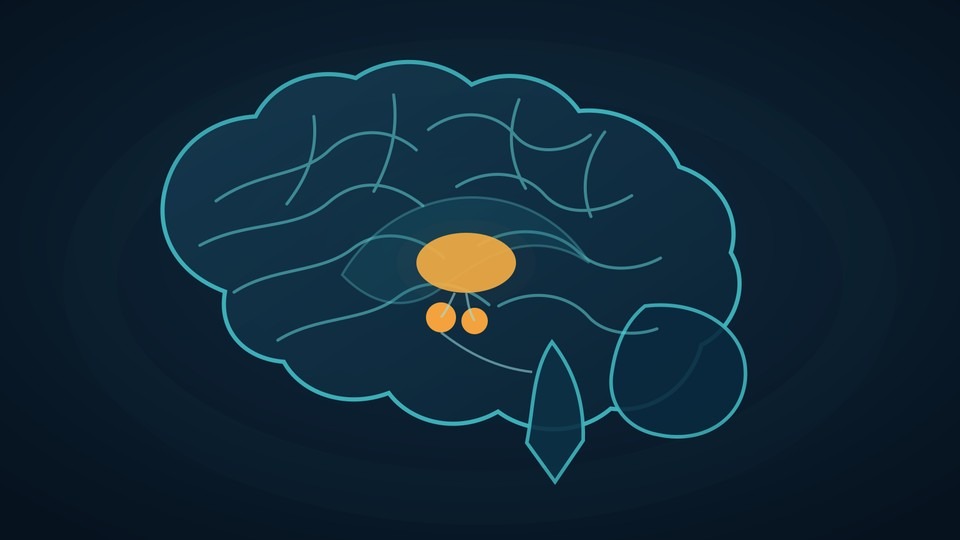


Adderall and generic mixed amphetamine salts are widely prescribed in America, and for people with ADHD, the medication can be genuinely life-changing. But a prescription label does not make a drug safe for everyone in every circumstance. So, is Adderall addictive? Yes, Adderall can be addictive, especially when it is misused, although taking it as prescribed does not mean a person will develop addiction. Adderall is a Schedule II controlled substance, the same federal classification given to cocaine and oxycodone, because Schedule II drugs have accepted medical uses but also a high potential for abuse that may lead to severe psychological or physical dependence. Sharing a federal schedule does not mean these drugs carry identical effects or risks.
Patients should be clearly counseled about Adderall’s potential for misuse, addiction, overdose, and physical dependence before and during treatment. In this article, we explain how Adderall addiction develops, who is most at risk, how to tell dependence from addiction, and what recovery looks like. At Mile High Recovery Center in Denver, our programs like PHP and intensive outpatient help people untangle stimulant dependence safely through clinical assessment, behavioral therapies, structured support, and medication treatment for co-occurring conditions when appropriate.
Is Adderall Addictive? What the Science Says

Adderall is a combination of amphetamine salts. Like other amphetamines, it increases dopamine and norepinephrine signaling in the brain. At prescribed doses, it can improve attention, impulse control, and task completion in many people with ADHD. Increased dopamine signaling can also reinforce repeated use, particularly when Adderall is taken in high doses or in ways that deliver it more rapidly. Addiction also involves behavioral, genetic, psychological, and environmental factors.
With repeated high-dose exposure or misuse, the brain may adapt to stimulant effects, contributing to tolerance, withdrawal symptoms, and compulsive use. These changes do not occur to the same degree in every patient taking Adderall as prescribed. Over time, especially with high or escalating doses, some people may need more of the drug to get the same effect and feel flat, foggy, fatigued, or depressed without it.
The adderall addictive potential is highest when the drug is misused: taken without a prescription, taken in higher doses than prescribed, or taken for effects like all-night studying, weight loss, or euphoria. But physical dependence can also develop in patients taking it exactly as directed for years. Physical dependence alone does not mean a person is addicted. Taking a regulated dose under medical supervision also carries a different risk profile from taking someone else’s medication or using higher doses than prescribed.
Adderall Dependence vs. Adderall Addiction

These terms get used interchangeably, but they describe different situations, and knowing the difference matters for treatment.
| Dependence | Addiction | |
|---|---|---|
| What it is | The body has adapted to the drug | Compulsive use despite negative consequences |
| Tolerance | May occur during long-term treatment | May occur, particularly with escalating or high-dose use |
| Withdrawal | May occur when stopping, even with prescribed use | May occur, and cravings or fear of withdrawal can contribute to continued use |
| Control | Use generally stays within prescribed limits | Use exceeds intent; attempts to cut back fail |
| Life impact | Often limited when medically managed, though side effects and withdrawal can still occur | Work, relationships, finances, and health suffer |
| Typical response | Medical guidance and, when appropriate, a gradual taper | Structured addiction treatment |
Physical dependence alone is not addiction. A patient who takes Adderall as prescribed and experiences withdrawal when stopping is dependent, not necessarily addicted. Addiction is defined by loss of control and continued use despite harm. Dependence does not necessarily progress to addiction. Risk rises if a person begins increasing the dose without medical guidance, using the medication for nonmedical effects, or losing control over use.
How Adderall Addiction Develops
Can you get addicted to Adderall even with a legitimate prescription? Yes. A person who initially receives a legitimate prescription can develop addiction, particularly if use begins to exceed medical directions, although appropriately monitored ADHD treatment does not mean addiction is likely or inevitable. The progression can be gradual enough that people miss it. One possible pattern looks like this: tolerance builds, the prescribed dose stops working as well, the person takes an extra pill on demanding days, then runs out early, then starts sourcing more. Others begin with misuse from the start, borrowing pills from a roommate during finals or using Adderall to power through long work weeks.
Certain factors raise the risk that use turns into adderall addiction:
- Taking it without a prescription or in ways other than directed, such as crushing or snorting
- A personal or family history of substance use disorders
- Co-occurring mental health conditions like anxiety, depression, or an eating disorder, particularly when Adderall is used to self-medicate distress or suppress appetite
- High-pressure environments, including college campuses and demanding careers, where stimulant misuse may be normalized
- Using Adderall alongside other substances, especially alcohol, which may make a person feel less sedated without reversing alcohol-related impairment and can increase cardiovascular and behavioral risks
- Nonmedical stimulant use during adolescence or early adulthood, when the brain is still developing
Properly monitored ADHD treatment during adolescence should not be equated with adolescent stimulant misuse.
Warning Signs Adderall Use Has Become a Problem
Is Adderall habit forming enough to watch for specific red flags? Absolutely. Early signs are often behavioral and emotional rather than dramatic:
- Needing higher doses to get the same focus or energy
- Running out of prescriptions early or seeing multiple prescribers
- Feeling unable to work, study, or function without it
- Mood swings, anxiety, paranoia, or growing irritability on Adderall
- Sleep problems, appetite loss, and noticeable weight changes
- Hiding use, lying about how much is taken, or feeling defensive when asked
Some of these symptoms may also occur as medication side effects and do not prove addiction by themselves. New, severe, or worsening symptoms should be discussed with the prescribing clinician. If several of these sound familiar, our full guide to Adderall addiction symptoms goes deeper into the physical, psychological, and behavioral signs.
What Withdrawal and the “Crash” Look Like
When someone dependent on Adderall stops suddenly, neurochemical adaptation and the return of underlying symptoms can contribute to a stimulant crash. The result may include intense fatigue, oversleeping, brain fog, depression, increased appetite, and strong cravings. For heavy or prolonged users, low mood, fatigue, sleep changes, and reduced motivation can linger for weeks. Persistent or severe depression requires clinical evaluation.
Withdrawal discomfort can contribute to continued use, alongside cravings, perceived performance needs, habit, and other psychological or social factors. Anyone taking Adderall regularly should speak with the prescribing clinician before reducing or stopping it. A gradual dose reduction and clinical support may be appropriate depending on the dose, duration, symptoms, and individual risk.
Stimulant withdrawal is generally less likely than alcohol withdrawal to cause life-threatening physical complications, but severe depression, suicidal thoughts, psychosis, or inability to care for oneself require urgent clinical attention.
Treatment for Adderall Addiction
The encouraging news is that stimulant use disorder is treatable, and evidence-based behavioral care can help people reduce or stop misuse and rebuild functioning. At Mile High Recovery Center, care typically begins with an assessment to determine whether ADHD symptoms are present and how they can be treated safely. Options may include Adderall alternatives such as non-stimulant medications and behavioral strategies, or carefully monitored stimulant treatment when a clinician determines that the benefits outweigh the risks.
From there, treatment focuses on behavioral therapies like CBT and contingency management, structured levels of care from residential to intensive outpatient, and strong peer support. Treatment intensity may range from standard outpatient support to intensive outpatient or residential care, depending on clinical need.
Many clients find that recovery frameworks built for other substances translate directly to stimulants. The 12 principles of AA, such as honesty, willingness, and perseverance, give structure to the daily work of staying sober. And for clients with co-occurring alcohol or opioid issues, medication options are on the table too, with honest education about benefits and drawbacks, including Vivitrol side effects, so every decision is informed.
There are currently no FDA-approved medications specifically for Adderall addiction or stimulant use disorder. Behavioral therapies remain central, while medication may be used to address ADHD, mental health symptoms, alcohol use disorder, opioid use disorder, or other co-occurring conditions.
If Adderall has stopped feeling like a choice, reach out to our Denver team today. A confidential conversation is a safe first step.
Is Adderall Addictive? Frequently Asked Questions
Can you get addicted to Adderall if you have ADHD?
Yes. People with ADHD can develop Adderall addiction, particularly if they begin misusing the medication. However, the risk is lower when the medication is taken exactly as prescribed and monitored by a doctor. People with ADHD can still develop tolerance and physical dependence, but prescribed ADHD treatment does not automatically cause addiction.
How long does it take to get addicted to Adderall?
There is no universal timeline. Addiction may develop more quickly with high doses, non-prescribed use, or crushing, snorting, or injecting the medication. Individual factors like genetics, mental health, and a history of substance use also affect risk. Many patients taking stable prescribed doses do not develop addiction.
Is Adderall dependence the same as addiction?
No. Dependence means the body has adapted, and withdrawal may occur when stopping, which can happen even with prescribed use. Addiction involves compulsive use despite consequences and failed attempts to cut back. Dependence should be managed with guidance from the prescribing clinician, which may include a gradual dose reduction. Addiction generally requires a broader treatment plan addressing compulsive use, mental health, ADHD symptoms, and recovery support.