


Many people reach for a drink to take the edge off a heavy mood, and for a short while, it seems to help. The trouble is that depression and alcohol tend to feed each other, deepening the very feelings someone is trying to escape. This is one of the most common patterns we see at Mile High Recovery Center, and treating only one half of it often leaves the other unresolved. If you are caught in this cycle, our inpatient addiction treatment in Colorado program is designed to address mental health and substance use together, because lasting recovery depends on it.
Understanding the Connection Between Depression and Alcohol

The link between alcohol and depression is well established in both research and clinical experience. People living with depression are significantly more likely to develop alcohol problems, and people who drink heavily are far more likely to experience depression. The two conditions overlap so often that treating them as separate issues usually leaves both unresolved.
Alcohol is a central nervous system depressant. That label is literal, not figurative. While the first drink may bring a brief sense of relaxation, alcohol fundamentally slows down brain activity and disrupts the chemistry that regulates mood.
A Two-Way Street
The relationship runs in both directions. Depression can drive a person to drink in search of relief, and heavy drinking can trigger or worsen depressive symptoms. This is what makes the alcohol depression link so difficult to break alone. Each condition fuels the other, and over time, it becomes hard to tell which one started the cycle.
Does Alcohol Cause Depression?
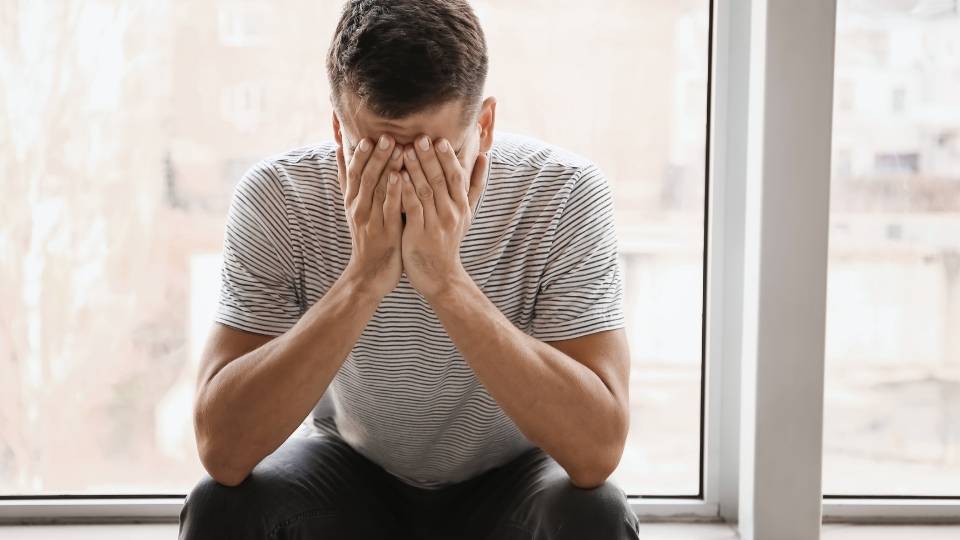
So does alcohol cause depression, or does depression simply lead to drinking? The honest answer is that it works both ways. Alcohol can directly cause depressive symptoms through its effect on brain chemistry, a pattern clinicians sometimes call alcohol-induced depressive disorder. At the same time, existing depression often leads people toward alcohol as a coping tool.
Alcohol disrupts neurotransmitter systems involved in mood, reward, and stress, including serotonin and dopamine pathways. Regular heavy drinking can make those systems less stable over time, which is one reason mood tends to sink lower the more someone drinks.
How Alcohol Makes Depression Worse
The connection between drinking and depression is not just psychological. Alcohol affects the brain and body in concrete ways that intensify depressive symptoms:
- It disrupts serotonin and dopamine pathways, the neurotransmitter systems tied to mood and motivation
- It severely degrades sleep quality, and poor sleep is closely linked to worsening depression
- It increases anxiety and low mood during hangovers and withdrawal
- It impairs judgment and can deepen feelings of guilt, shame, and regret
- It can reduce the effectiveness of some antidepressant medications or increase side effects
The table below shows how alcohol’s effect on mood changes between the short term and the long term, which helps explain why the relief never lasts.
| Time Frame | Effect on Mood |
|---|---|
| First 30 to 60 minutes | Temporary relaxation and lowered inhibition |
| Hours later | Rebound anxiety, irritability, and low mood |
| Next day | Hangover-related depression, fatigue, and guilt |
| Weeks to months | Chronic mood decline as sleep, stress, and mood regulation worsen |
The Self-Medication Trap
The reason this cycle is so sticky is that alcohol delivers immediate, if temporary, relief. Someone feeling low has a few drinks, feels briefly better, and learns to associate alcohol with escape. But as the alcohol wears off, mood drops below where it started, prompting more drinking. This is the self-medication trap, and it can pull people deep into both alcoholism and depression at the same time.
Depression rarely travels alone, and alcohol is not the only substance people use to self-medicate. Many also turn to other drugs, and depression frequently co-occurs with opioid use as well. Understanding what drugs are opiates is a useful context, because the same self-medicating pattern that fuels drinking can drive opioid use, and the two often appear together in people struggling with their mental health.
Signs of Co-Occurring Depression and Alcohol Use
Recognizing when these conditions overlap is the first step toward getting the right help. Watch for signs such as:
- Drinking to cope with sadness, stress, or emptiness rather than for enjoyment
- A mood that drops noticeably after drinking or the next day
- Loss of interest in activities once enjoyed
- Drinking alone or in secret
- Sleep problems, fatigue, or changes in appetite
- Feelings of hopelessness or worthlessness alongside continued drinking
When several of these appear together, it is a strong sign that depression and alcohol use are reinforcing each other and that both need attention.
Why Treating Only One Condition Does Not Work
A common mistake is to treat one condition and assume the other will resolve on its own. Someone might get sober but remain depressed, which keeps the risk of relapse high. Or they might treat their depression while continuing to drink, which undermines the medication and therapy. When depression and a substance use disorder occur together, this is known as a co-occurring disorder or dual diagnosis, and it requires an integrated approach.
This same principle applies across substances. Whether the co-occurring substance is alcohol, opioids, or something else, the recovery process has to account for both the mental health condition and any physical dependence or withdrawal risk. For people detoxing from opioids, for instance, the emotional turbulence of the heroin withdrawal timeline can amplify underlying depression, which is exactly why mood and substance use are treated side by side..
How Treatment Addresses Both
Effective treatment for co-occurring depression and alcohol use combines several elements working in concert. Medical detox safely manages alcohol withdrawal, which can be dangerous without supervision. From there, evidence-based therapies like cognitive behavioral therapy help people understand the connection between their thoughts, drinking, and mood, and build healthier coping skills.
Medication can play a role too, both for depression and, where appropriate, for supporting recovery from substance use. For patients managing co-occurring opioid use, medication-assisted treatment is sometimes part of the plan, and questions like whether Suboxone is addictive are addressed openly so people can make informed choices. Throughout, ongoing support and relapse prevention help maintain progress on both fronts.
The goal is simple to state and powerful in practice: treat the whole person, not just one symptom. When the depression and the drinking are addressed together, recovery becomes far more durable.
Depression and Alcohol: Frequently Asked Questions
Does drinking alcohol make depression worse?
Yes. Although alcohol may bring brief relief, it disrupts the brain systems that regulate mood, worsens sleep, and increases anxiety as it wears off. Over time, regular heavy drinking can deepen depression rather than easing it, creating a cycle that is difficult to break alone.
Can quitting alcohol improve depression?
Often, yes. Many people notice their mood, sleep, and energy improve within weeks of stopping drinking as brain chemistry and sleep begin to stabilize. However, if depression persists after sobriety, it likely needs separate treatment, which is why integrated dual-diagnosis care addresses both conditions at the same time.
Should depression and alcohol use be treated together?
Yes. Treating only one condition usually leaves the other to undermine recovery. An integrated dual-diagnosis approach manages alcohol withdrawal, treats the underlying depression with therapy and medication when needed, and builds coping skills, giving people a far stronger foundation for lasting recovery.