

Packing for residential treatment feels different because it is different. This isn’t vacation packing or preparing for a business trip. You’re getting ready to focus fully on recovery in a structured, shared living environment where every item you bring either supports your healing process or becomes a distraction.
Knowing what to bring to rehab can reduce anxiety during an already overwhelming time. Residential treatment programs operate 24/7 with scheduled therapy sessions, shared meals, and communal spaces where you’ll spend most of your day working through the challenges that brought you here. Storage limits, laundry schedules, and shared living considerations mean packing light and intentionally.
Quick Takeaways
- Pack weather-appropriate clothing, personal hygiene items, and important documents while keeping valuables and electronics at home
- Residential treatment centers restrict items like alcohol, unauthorized medications, and sharp objects to maintain safety and therapeutic focus
- Bringing comfort items like journals, photos, and familiar scents helps ease the emotional transition into treatment
Essential Items to Bring to Rehab: Your Residential Packing Checklist
Residential treatment centers have specific rules about what you can bring. Most facilities balance safety, focus, and comfort when setting these guidelines. This packing checklist covers personal items that support your well-being without overwhelming the limited storage space you’ll have in your room.
Clothing and Personal Care Essentials
- Weather appropriate clothing for one to two weeks (treatment centers typically provide laundry access every few days)
- Comfortable clothing for therapy and casual wear: t-shirts, sweatpants, jeans
- Pack layers and a light jacket for temperature changes
- Comfortable shoes for indoor and outdoor activities
- Shower shoes or flip flops for communal bathrooms
- Undergarments and socks
- Body wash, shampoo, and alcohol free deodorant
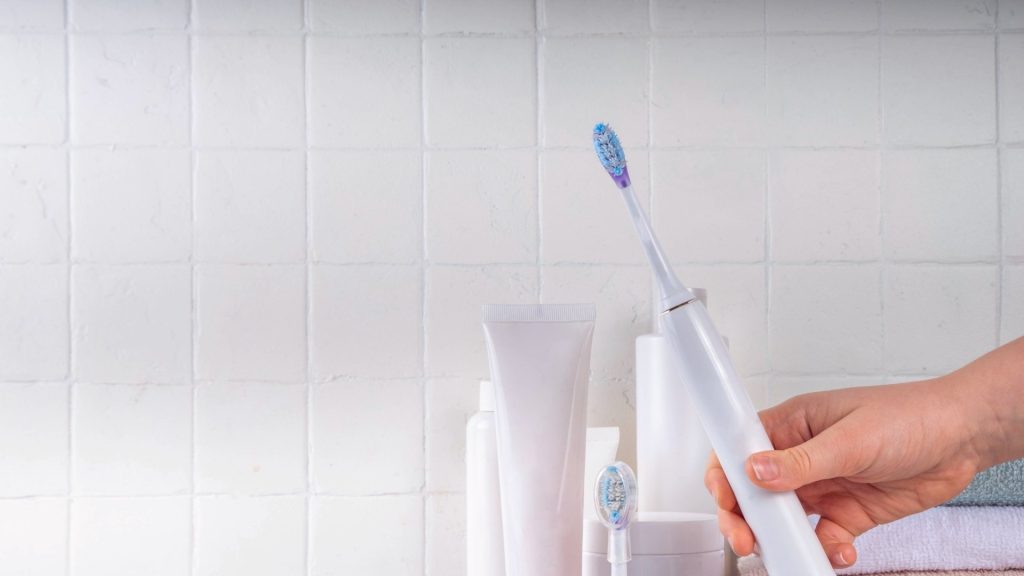
- Toothbrush, toothpaste, dental floss
- Feminine hygiene products
- Grooming tools: nail clippers, electric razors, or disposable razors (facilities may restrict sharp objects)
- Shaving cream
Personal hygiene items provide comfort during the early adjustment period. Most facilities provide basic toiletries, but using your own products creates small moments of familiarity when everything else feels new and uncertain. Creating a sense of safety and routine in early treatment helps people feel grounded, supported, and more able to engage in the recovery process.
Documents, Medications, and Health Essentials
- Driver’s license or state ID
- Insurance cards and insurance information
- Medical records (if available)
- List of current prescribed medications with dosages
- All prescription medications in the original pharmacy bottle or original container with original packaging
- Eyeglasses, contact lenses, contact solution
- Hearing aids, if needed
- CPAP machine (check with admissions team first)
- Reusable water bottle
Over-the-counter medications and liquid medications must be disclosed during the admissions process. Most facilities do not allow you to self-administer any medications, even supplements you bought at the drugstore. Clinical staff manage all medications to ensure safety, prevent interactions, and support your treatment plan effectively. This isn’t about control; it’s about making sure nothing interferes with your recovery or puts you at risk.
Comfort and Connection Items
These small personal items can make a big difference during the first difficult days when everything feels uncertain. Packing thoughtfully means bringing what grounds you without cluttering the limited storage space in shared rooms.
- Reading materials (no drug or alcohol references)
- Journal and pens for reflection
- Photos of loved ones (small, non-glass frames)
- Alarm clock (many facilities restrict cell phone and internet access during early treatment)
- Pillow or small comfort item if allowed
- Familiar scents (lotion, your own shampoo)
- Soft, comfortable clothing that feels safe
- Earplugs and an eye mask for managing sensory overload
What Not to Bring to Rehab: Understanding Facility Restrictions

Every residential treatment program prohibits certain items for safety and therapeutic reasons.
- Alcohol, drugs, or any substance use materials
- Medications not prescribed to you
- Sharp objects beyond monitored razors (no pocket knives)
- Aerosol products or items with high alcohol content
- Electronics with internet access (policies vary by facility)
- Revealing or inappropriate clothing
- Anything with drug or alcohol references (clothing, books, accessories)
- Valuables: jewelry, expensive electronics, cash beyond $20-30
- Cell phones (policies vary, confirm with admissions team)
Rehab environments prioritize safety and focus because shared living spaces mean that what you bring affects others in early recovery. These restrictions exist to protect your recovery journey and create space for healing, not to punish or inconvenience you.
Emotional and Psychological Preparation: What to Expect in Your First Days
Packing your suitcase is one part of preparing for residential addiction treatment, but emotional readiness matters just as much. Structure and routine in residential rehab reduce decision fatigue and help you stay focused on your healing process instead of constantly wondering what comes next. The daily schedule handles the logistics so you can handle the emotional work.
The table below shows what you might face and how to approach it:
| Challenge | How to Prepare |
| Homesickness | Bring photos; remind yourself this is temporary and necessary. |
| Anxiety | Focus on one day at a time; structure helps. |
| Sensory overload | Use earplugs, an eye mask, and calming personal care items you packed. |
| Uncertainty | Trust the admissions team and your treatment plan. You’re not expected to have all the answers yet. |
Your brain will tell you stories about why you don’t belong or why this won’t work. That’s normal. Everyone arriving at a residential treatment program feels some version of that fear. While many factors influence whether someone completes treatment, learning to tolerate the discomfort of the first few days is often an important part of staying engaged long enough for treatment to help.
Research from the National Institute on Drug Abuse shows that people who remain in treatment for at least 90 days have significantly better recovery outcomes than those who leave earlier. Those first difficult days aren’t a sign that treatment isn’t working; they’re just part of the adjustment period before meaningful progress begins.
Frequently Asked Questions About What to Bring to Rehab
What are some good things to bring to rehab?
Bring comfortable clothing for one to two weeks, personal hygiene products, prescribed medications in original containers, insurance information, and your ID. Comfort items like journals, reading materials, photos, and familiar scents help during adjustment. Most facilities provide basics, but personal care items create familiarity during early treatment days.
What are you not allowed to bring to rehab?
Leave alcohol, drugs, unauthorized medications, sharp objects, valuables, and items with drug or alcohol references at home. Most residential treatment centers restrict electronics with internet access and cell phones during early treatment. These restrictions protect your recovery journey and maintain therapeutic focus in shared living environments where your choices affect others.
Do you bring your own clothes to rehab?
Yes, you bring your own weather-appropriate clothing for residential treatment. Pack comfortable, modest outfits including t-shirts, sweatpants, jeans, comfortable shoes, and shower shoes. Bring enough for one to two weeks, since treatment centers provide laundry access. Avoid revealing clothing or items with substance use references that violate facility guidelines.
Arriving Well Prepared: Your Long-Term Success Starts Here
Packing thoughtfully is a valuable way to show you’re ready to check in, engage, and begin your recovery journey with intention. Residential treatment works best when you arrive well prepared, both practically and emotionally, with the right items in your bag and realistic expectations in your mind. Showing up is genuinely the hardest part, and you’re already doing it.
At Mile High Recovery Center, our admissions team walks you through every step from what to bring to what to expect on day one. You don’t have to figure this out alone or worry about getting it perfect. If you’re ready to take the next step, contact Mile High Recovery Center today to start your admissions process and get personalized guidance on preparing for treatment.
If you or a loved one is in need of addiction treatment in Colorado, we have both inpatient and outpatient programs available:
Or call us at: 303-268-2144