


You decided to take a break from cannabis, maybe for a job, maybe for your health, maybe just to see if you could. Then the insomnia hit. The irritability felt overwhelming. Your appetite disappeared, and you couldn’t shake the anxiety that seemed to come out of nowhere. If this sounds familiar, you’re experiencing marijuana withdrawal, and you’re definitely not alone.
This guide will walk you through everything you need to know about marijuana withdrawal, including when symptoms overlap with other conditions like cannabinoid hyperemesis syndrome (CHS), and when reaching out for marijuana addiction treatment might make the process easier.
Quick Takeaways
- Cannabis withdrawal is recognized clinically and has defined symptom criteria used in diagnosis.
- The most common withdrawal symptoms include sleep problems, irritability, anxiety, mood swings, vivid dreams, and decreased appetite.
- Cannabinoid hyperemesis syndrome (CHS) is a separate condition causing severe cyclical vomiting that’s often confused with withdrawal, but requires different treatment.
- No products or quick fixes can speed up withdrawal or eliminate THC from your system faster than your body’s natural timeline.
- Many people can manage withdrawal at home with practical coping strategies, but professional support helps when symptoms are severe or attempts to quit keep failing.
- Withdrawal is temporary, and your body will rebalance, but recovery is a process that sometimes requires more than willpower alone.
What Is Marijuana Withdrawal?

Many people are genuinely surprised when they try to quit marijuana and face real withdrawal symptoms. The myth that cannabis is easy to stop persists despite research suggesting withdrawal symptoms occur in 47% of people who use cannabis regularly or have cannabis dependence.
When you use marijuana frequently, your brain and body adapt to having THC in your system regularly. THC binds to cannabinoid receptors throughout your body, influencing everything from mood and sleep to appetite and pain perception. After weeks, months, or years of regular use, your system essentially recalibrates around the presence of this substance.
When regular cannabis use stops suddenly, your body has to readjust to functioning without that external cannabinoid input. This adjustment period is what creates withdrawal symptoms. Your cannabinoid receptors need time to reset, your neurotransmitter levels need to rebalance, and your sleep-wake cycle needs to recalibrate.
Marijuana Withdrawal vs. Addiction vs. Dependence
These terms are often used interchangeably, but they mean different things.
- Dependence: Physical dependence happens when your body adapts to a substance and experiences withdrawal symptoms when you stop. You can be physically dependent on marijuana without having cannabis use disorder.
- Addiction: Clinically called cannabis use disorder, addiction is diagnosed when cannabis use causes significant problems in your life, and you continue using despite those consequences.
- Withdrawal: Marijuana withdrawal fits into this broader picture as one possible sign of cannabis use disorder, but experiencing withdrawal alone doesn’t automatically mean you have a use disorder.
According to the CDC, about 3 in 10 cannabis users have cannabis use disorder. Research suggests the risk is much higher among daily users, with some estimates around 1 in 2 for developing moderate-to-severe CUD. The presence of withdrawal symptoms suggests your body has developed physical dependence, which often happens alongside, but isn’t the same as, addiction.
Marijuana Withdrawal Symptoms

Weed withdrawal symptoms vary considerably from person to person. Some people sail through with mild discomfort, while others find the symptoms significantly impair their daily functioning. These aren’t just minor annoyances; they’re real symptoms that can make daily life challenging. Symptoms of withdrawal can include:
Psychological Symptoms:
- Irritability and anger that feel disproportionate to the situation.
- Anxiety and restlessness make it hard to sit still or relax.
- Mood swings or depressive symptoms that come and go.
- Difficulty focusing or concentrating on tasks at work or school.
Physical Symptoms:
- Sleep disturbances and insomnia that leave you exhausted.
- Vivid or intense dreams that feel unusually real or disturbing.
- Headaches that range from mild to severe.
- Sweating, chills, or general discomfort throughout your body.
Less common physical symptoms can include stomach pain, decreased appetite, and shakiness. While most symptoms aren’t medically dangerous, they’re uncomfortable enough to send many people back to using cannabis for relief.
If you or a loved one is in need of addiction treatment in Colorado, we have both inpatient and outpatient programs available:
Or call us at: 303-268-2144
Cravings and Relapse Risk
Cravings during marijuana withdrawal are incredibly common and often catch people off guard. You might find yourself thinking about using at random times throughout the day, or certain situations might trigger an intense urge to smoke. This is your brain’s way of trying to return to a state it recognizes as normal.
Physical cravings involve actual bodily sensations: restlessness, tension, an almost physical pull toward using. Emotional cravings are more psychological. You miss the ritual, the relaxation, the way cannabis helped you unwind or sleep. Both types of cravings are real and valid, and both can feel overwhelming when they hit.
If you use marijuana again after a few days or weeks of withdrawal, you’re not starting from zero. When you try to stop again, withdrawal symptoms typically return, sometimes even more intensely. This creates a cycle where the fear of withdrawal becomes a barrier to quitting, making each attempt feel harder than the last. This pattern is part of why professional support can make such a difference in breaking free from cannabis dependence.
How Long Does Marijuana Withdrawal Last?

The cannabis withdrawal timeline follows a common pattern for most people, though individual experiences vary. Knowing what to expect can help you prepare mentally and practically for what’s ahead.
| Timeline Stage | What to Expect |
| When Symptoms Begin | Most symptoms start within 24-48 hours after last use. Some people feel effects within hours, while others don’t notice changes until the second or third day. |
| Peak Withdrawal Period | Days 2-6 are typically the most intense. Sleep problems, irritability, and anxiety often reach their worst during this window. Physical symptoms like headaches and sweating also peak here. |
| Later Stages of Withdrawal | Weeks 2-4 often bring gradual improvement. Mood and appetite may rebound earlier for some people, while sleep and vivid dreams can take longer to settle. |
The good news is that symptoms do improve with time. Your sleep will eventually regulate, your mood will stabilize, and those intense cravings will lose their grip.
Marijuana Withdrawal vs. Detox and Common Myths
Let’s clear up some confusion. Marijuana withdrawal is a recognized medical condition characterized by a specific set of symptoms that occur when someone who uses cannabis regularly stops abruptly. It’s listed in the DSM-5 as cannabis withdrawal syndrome, with clear diagnostic criteria based on symptom presentation and clinical significance.
What people usually mean by “detoxing from weed” varies widely and often conflates different processes:
Common “Detox” Misconceptions:
- Some use “detox” to describe the withdrawal process itself.
- Others think detox means speeding up THC elimination to pass drug tests faster.
- Many believe special products can cleanse THC from their system in days.
- Popular myths include special drinks, herbal supplements, and elaborate cleansing kits.
- Sauna sessions, excessive sweating, and supplement regimens promise accelerated THC removal.
- The belief that you can “sweat out” THC through exercise or hot yoga persists despite no scientific support.
The truth is simpler and less marketable: THC metabolites are stored in fat cells and leave your body on their own timeline, typically one to two weeks for occasional users and up to several months for daily users. No supplement, drink, or sweating session changes this significantly. While exercise and hydration support overall health during withdrawal and might help you feel better, they’re not removing cannabinoids from your fat stores faster.
Confusion between withdrawal and drug testing creates additional stress during an already challenging time. Withdrawal symptoms often improve within about 2-4 weeks. THC can remain detectable in urine for much longer, especially if you were a heavy user. You can be completely done with withdrawal symptoms and still fail a drug test.
Cannabinoid Hyperemesis Syndrome (CHS): An Often Overlooked Condition
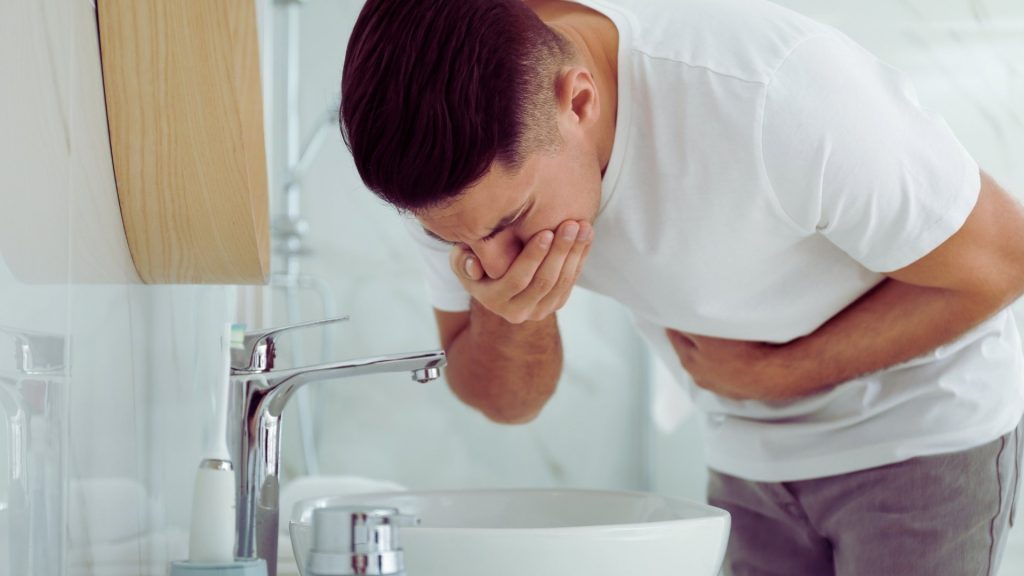
Cannabinoid hyperemesis syndrome is a condition that develops in some people who use cannabis regularly for months or years. CHS is characterized by severe, cyclical episodes of nausea and vomiting paired with abdominal pain. What makes CHS distinctive is that symptoms are temporarily relieved by taking hot showers or baths, something that doesn’t help with typical nausea.
In one emergency department survey of people who reported using cannabis 20+ days per month, approximately 33% met the study’s criteria consistent with CHS. Daily or near-daily cannabis users face the highest risk, particularly those who have used cannabis for several years.
CHS matters in discussions about marijuana withdrawal because symptoms can overlap, leading to confusion about what someone is experiencing. Some people assume their nausea and discomfort after quitting are normal withdrawal symptoms when they’re actually experiencing CHS.
CHS Symptoms Compared to Marijuana Withdrawal
The distinction between marijuana withdrawal and CHS matters tremendously for treatment, as they require completely different approaches. Here’s how the symptoms for CHS compare:
| Symptom Category | Marijuana Withdrawal | CHS |
| Nausea/Vomiting | Mild, occasional if present | Severe, cyclical episodes lasting hours to days |
| Abdominal Pain | Rare or mild | Severe cramping and pain, often periumbilical |
| Hot Shower Relief | No effect on symptoms | Often provides temporary relief during episodes |
| Duration | 1-4 weeks, gradually improving | Ongoing cyclical episodes until cannabis use stops completely |
| Pattern | Symptoms steadily decrease over time | Episodes come and go in patterns (prodromal, hyperemetic, recovery phases) |
Regular marijuana withdrawal responds to time and supportive care. CHS requires a complete, permanent cessation of cannabis use to resolve. Some people with CHS try to use cannabis to relieve their nausea, not realizing that the cannabis itself is the cause, which perpetuates the cycle.
Why CHS Is Frequently Misdiagnosed
CHS can mimic many other conditions, leading to extensive medical workups before the correct diagnosis emerges.
Common Conditions CHS Is Mistaken For:
- Cyclical vomiting syndrome (CVS) or abdominal migraines
- Gastritis or peptic ulcer disease
- Gallbladder disease or biliary colic
- Inflammatory bowel disease, such as Crohn’s or ulcerative colitis
- Gastroparesis or delayed gastric emptying
- Pancreatitis or other pancreatic disorders
Why cannabis use is often overlooked as a cause comes down to several factors. Many people don’t think to mention their marijuana use to doctors, especially in states where cannabis remains illegal or stigmatized. Healthcare providers don’t always ask detailed questions about cannabis use, particularly if they associate marijuana with anti-nausea effects rather than as a potential cause of vomiting. The medical community’s awareness of CHS is growing but still inconsistent, meaning not all emergency department physicians have it on their diagnostic radar.
When CHS Becomes a Medical Emergency
CHS can cause serious complications that require urgent medical attention, particularly when persistent vomiting depletes your body of fluids and electrolytes faster than most people realize:
Emergency Warning Signs:
- Unable to keep down any fluids for more than 12 hours.
- Blood in vomit or vomit that looks like coffee grounds (indicates bleeding).
- Severe abdominal pain that worsens or doesn’t improve with position changes.
- Signs of dehydration: extreme thirst, dark urine or no urination, dizziness upon standing, rapid heartbeat, confusion, and dry mouth and skin.
- Signs of electrolyte imbalance: muscle weakness, irregular heartbeat, seizures, or confusion.
- Symptoms of aspiration: difficulty breathing, chest pain, or coughing after vomiting.
The severity of forceful vomiting itself can cause complications like Boerhaave’s syndrome (esophageal rupture) or aspiration pneumonia from inhaling vomit into the lungs. These complications underscore why recognizing and treating CHS early matters so much.
Coping With Marijuana Withdrawal

Managing marijuana withdrawal symptoms doesn’t require special products or expensive treatments. Most people can navigate withdrawal at home with some practical strategies and patience. The key is knowing what to expect and having a plan for the rough days.
- Managing Sleep Problems: Sleep disturbances rank among the most challenging withdrawal symptoms. Establish a consistent sleep schedule, going to bed and waking up at the same time daily, even on weekends. Create a sleep-friendly environment by keeping your bedroom cool, dark, and quiet. Avoid screens for at least an hour before bed since blue light interferes with melatonin production. If your mind races at night, try progressive muscle relaxation or guided meditation apps designed for sleep. Many people find their sleep improves significantly after the first week, even if it feels impossible initially.
- Managing Vivid Dreams and Nighttime Anxiety: Intense, disturbing dreams are extremely common during cannabis withdrawal and can disrupt sleep quality even when you do fall asleep. Keep a journal by your bed and write down dreams when you wake up, which can help process them and reduce their emotional impact. Remind yourself that vivid dreams are a normal part of withdrawal and will fade as your REM sleep cycle normalizes. If nighttime anxiety is overwhelming, try keeping a small night light on or listening to calming sounds or white noise.
- Reducing Anxiety and Irritability: Physical exercise provides a natural mood boost through endorphin release and helps burn off restless energy that fuels anxiety. Aim for at least 30 minutes a day, whether that’s walking, running, yoga, or any other movement you enjoy. Deep breathing exercises and mindfulness practices can calm your nervous system when irritability spikes.
- Nutrition and Hydration Support: Your appetite might decrease during withdrawal, but maintaining nutrition helps your body heal. Eat small, frequent meals if large meals feel overwhelming. Focus on whole foods, lean proteins, fruits, and vegetables. Stay well hydrated with water throughout the day. Some people find that their appetite normalizes within a week, while for others it takes longer.
- Managing Cravings: Cravings follow patterns, typically lasting 10-20 minutes before subsiding. When cravings hit, distract yourself with an activity that requires focus. Call a supportive friend. Go for a walk. Remove yourself from situations or places that trigger urges to use. Identify your triggers and plan alternative responses in advance. Remember that each time you ride out a craving without using, you’re rewiring your brain’s response patterns.
These strategies won’t eliminate withdrawal symptoms overnight, but they make the process more manageable and help you build habits that support long-term recovery. The first week is usually the hardest, and having concrete tools to reach for during tough moments can make the difference between pushing through and giving up.
When Marijuana Withdrawal Is Hard to Manage Alone
Most people can stop using cannabis without professional help. But for some, withdrawal symptoms are severe enough or life circumstances complicated enough that additional support makes the difference between success and another failed attempt.
Signs Additional Support May Be Helpful
Certain situations warrant reaching out for structured treatment:
When to Consider Professional Support:
- Repeated attempts to quit without success despite a genuine effort.
- Severe mood symptoms: significant depression, persistent anxiety interfering with work or relationships, or any thoughts of self-harm.
- History of cannabinoid hyperemesis syndrome (CHS) requiring clinical guidance through complete cessation.
- Co-occurring substance use disorders or other drugs being used alongside cannabis.
- Lack of a support system or a living environment where others use cannabis regularly.
These signs don’t indicate personal failure but rather that your situation has complexities that professional support can address.
How Treatment Can Help
Outpatient addiction treatment programs provide structure and accountability without requiring you to leave your daily life. You attend therapy sessions several times per week while maintaining work, school, and family responsibilities. This structure helps when willpower alone isn’t enough.
Therapy and coping skill development through modalities such as cognitive-behavioral therapy (CBT), dialectical behavior therapy (DBT), and motivational enhancement therapy teach you practical tools for managing cravings, identifying triggers, and developing healthier coping mechanisms. These aren’t abstract concepts but concrete skills you can use when withdrawal feels overwhelming.
Support for underlying mental health concerns addresses why you started using cannabis regularly in the first place. If you’ve been using marijuana to self-medicate anxiety, depression, or trauma symptoms, stopping use brings those issues back to the surface. Working with a mental health professional who understands substance use disorder helps you develop alternative ways to manage mental health symptoms. In some cases, medication management for co-occurring disorders can make cannabis cessation significantly more manageable.
Treatment programs create a community with others going through similar experiences. Talking with people who understand what withdrawal feels like reduces isolation and provides practical advice from those who’ve been there. Group therapy and peer support aren’t about judgment but about building connections that sustain recovery beyond initial withdrawal.
Recovery Is a Process, Not a Test of Willpower
Marijuana withdrawal is temporary, even when it feels endless in the moment. Your body is remarkably resilient and will find its balance again with time. Symptoms that feel intolerable during the first week typically improve significantly by week two and continue fading from there.
Whether you’re dealing with marijuana withdrawal, cannabinoid hyperemesis syndrome, or cannabis use disorder, support is available when you’re ready. If you’re in the Denver area and looking for evidence-based outpatient treatment that respects your daily commitments while providing real structure and community, we’re here to help. Reach out to Mile High Recovery Center to learn about our programs. Recovery doesn’t require perfection; it requires taking the next step, whatever that looks like for you.