


You know the feeling: a queasy stomach in the morning that no amount of ginger ale seems to fix, or a sudden wave of nausea that sends you running for a hot shower just to find a moment’s peace. It’s confusing, especially if you’ve used cannabis as a way to settle your stomach only to have it turn against you. You aren’t alone in this frustration because thousands of daily users are finding themselves in this same painful loop, searching for answers while their symptoms only seem to get worse.
This article explains what’s happening in your body, why it’s happening, and how to finally stop the cycle of sickness. We’ll look at the reality of cannabinoid hyperemesis syndrome (CHS), a condition that transforms a habit into a source of severe physical distress. If you’ve tried everything else and nothing is working, understanding this syndrome might be the key to getting your life back, often with the support of professional marijuana addiction treatment.
Quick Takeaways
- Cannabis can paradoxically switch from suppressing nausea to causing severe vomiting in long-term users.
- Hot showers often provide the only temporary relief for the intense abdominal pain associated with CHS.
- Doctors frequently misdiagnose the condition because it mimics other gastrointestinal disorders.
- Complete cessation of all cannabis products is currently the only known cure for the syndrome.
What Is Cannabinoid Hyperemesis Syndrome?

Cannabinoid hyperemesis syndrome (CHS) is a condition characterized by cyclic vomiting, persistent nausea, and compulsive bathing in hot water to find relief. It occurs almost exclusively in chronic cannabis users who have consumed cannabis products daily or near-daily for several years. Researchers think CHS may involve dysregulation of the endocannabinoid system affecting gut motility and nausea pathways, but the exact mechanism isn’t fully understood.
This paradox is why CHS is so often misunderstood. It seems contradictory that the substance you may have used to try to feel better is actually the root cause of the problem. You might find yourself in the prodromal phase for months, experiencing morning nausea and a fear of food intake, leading to significant weight loss. Eventually, this escalates into the hyperemetic phase, where severe vomiting and abdominal pain become incapacitating.
Doctors are seeing this more frequently in young adults, specifically those who are regular marijuana smokers or frequent users of concentrates. It’s not a bad reaction to a specific strain, but rather a cumulative toxic effect of marijuana use on your digestive system. You’ll likely find that the symptoms only worsen if you continue to use cannabis to try to treat the discomfort.
How Rare Is CHS?
For years, cannabinoid hyperemesis was considered extremely rare, largely because it was first identified in medical literature in the early 2000s. Before that, emergency medicine providers often assumed patients had a stomach bug or stress-induced vomiting. Today, we know that underdiagnosed CHS has been a major blind spot in healthcare, leaving many patients suffering without answers for years.
Why Prevalence Estimates Vary
Recent data suggest the condition is far more common than previously thought, with prevalence rising alongside widespread use of high-potency cannabis. Although the exact number is unknown, a 2024 Journal of the American Medical Association summary based on emergency department survey data estimated that about 2.75 million people in the U.S. may be affected each year, with emergency room visits for the condition doubling in recent years. In a recent survey-based preprint, about 18% of daily cannabis users reported symptoms consistent with CHS.
Underdiagnosis And Delayed Recognition
The challenge with getting accurate numbers is that many people are hesitant to disclose their substance use to doctors. When patients don’t mention their cannabis habits, doctors struggle to make a correct diagnosis, often subjecting people to unnecessary tests or even surgeries. As awareness grows, more people are connecting the dots between their marijuana use and their symptoms.
Increased Identification In Recent Years
There’s been a steady increase in identified cases as medical training catches up with current consumption trends. This isn’t necessarily a new disease, but rather a more recognized one. Emergency care facilities are now much better equipped to identify the risk factors associated with hyperemesis syndrome.
Why CHS Is Often Missed Or Misdiagnosed
Because abdominal pain and vomiting are symptoms of so many different illnesses, CHS is frequently mistaken for other gastrointestinal disorders. Doctors have to look at your full history to distinguish this from more common stomach issues. The table below outlines why it’s so easy to confuse CHS with other conditions and how to spot the difference.
| Feature | CHS | Cyclic Vomiting Syndrome (CVS) | Gastroparesis |
| Primary Trigger | Long-term marijuana use | Stress, excitement, or infection | Diabetes, surgery, or unknown causes |
| Hot Water Relief | Hot showers provide temporary relief | Heat usually doesn’t affect symptoms | Heat generally doesn’t help |
| Pattern | Resolves with stopping cannabis | Cyclical regardless of cannabis use | Chronic and constant symptoms |
This confusion often leads to a delay in treatment, with diagnosis often delayed several years. Cyclic vomiting syndrome is the most common misdiagnosis, but the key distinction lies in the compulsive bathing behavior. If you find yourself spending hours in hot baths or showers to relieve nausea, that is a strong clinical indicator of CHS. Standard anti-nausea medications often fail to work for CHS patients, whereas complete cessation of cannabis brings relief.
Treatment for Cannabinoid Hyperemesis Syndrome
Diagnosing CHS is often a process of exclusion, meaning doctors must first rule out other causes like gallstones, ulcers, or pregnancy. A provider will typically perform a physical exam and ask detailed questions about your history of marijuana use. There isn’t a single blood test for CHS, so being honest about your cannabis use is the fastest way to get help and avoid unnecessary procedures.
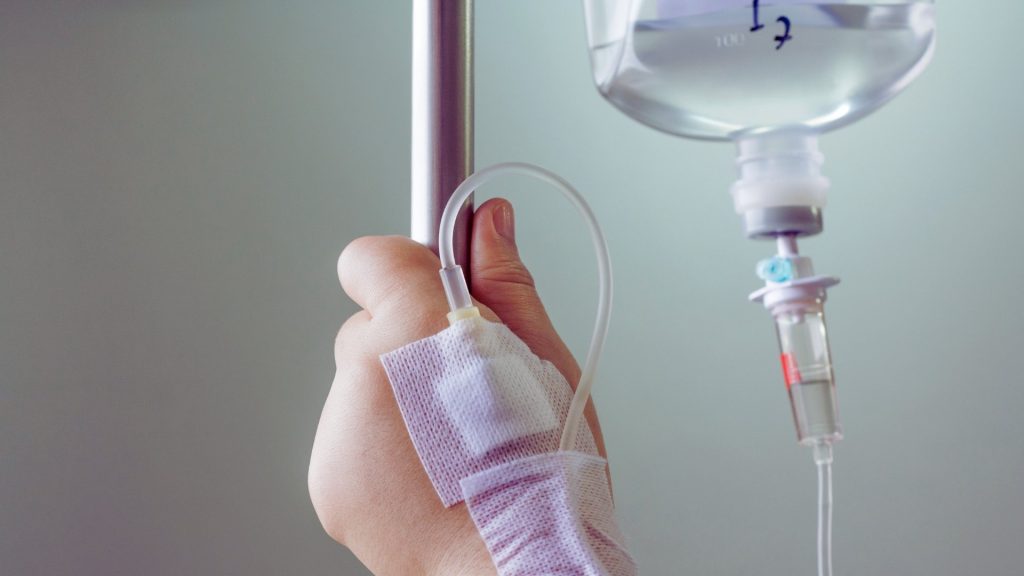
Treatment during an acute episode focuses on symptom relief and preventing severe dehydration. Doctors may administer IV fluids to restore electrolytes and use a topical cream containing capsaicin on the abdomen, which helps by distracting the body’s pain signals and improving blood flow. However, these are temporary fixes that don’t solve the underlying issue.
The only known cure for CHS is sustained abstinence from all cannabis products. The recovery phase can take days or even weeks as the cannabinoids clear from your system, but symptoms usually vanish once you stop using. It’s important to know that this is a permanent sensitivity; resuming use, even after a long break, carries a high recurrence risk of the symptoms returning.
When To Seek Urgent Medical Care
While CHS is miserable, it can also become dangerous if left untreated during a severe episode. You’ll want to keep a close eye on how your body is handling the loss of fluids. The following symptoms indicate you need immediate medical attention:
- Severe dehydration: Look for signs like dark urine, extreme thirst, dry mouth, or dizziness when standing up.
- Inability to keep fluids down: This applies if you vomit immediately after drinking water or cannot keep any food down for 24 hours.
- Confusion or severe weakness: This can signal a dangerous imbalance of electrolytes like potassium and sodium in your body.
- Worsening abdominal pain: Intense, unremitting pain could indicate possible complications like an esophageal tear or other emergency issues.
- Rapid weight loss: Losing a significant amount of weight in a short period due to the prodromal phase or active vomiting requires medical intervention.
If you experience these warning signs, go to the emergency department and tell the staff about your symptoms and cannabis history. They’ll be able to help you stabilize your system safely.
If you or a loved one is in need of addiction treatment in Colorado, we have both inpatient and outpatient programs available:
Or call us at: (303) 268-2144
Getting Support If Stopping Cannabis Is Hard
For frequent users, the idea of quitting marijuana can feel overwhelming, especially if you’ve been using it to try to cope with stress or the very nausea it’s now causing. You might be dealing with cannabis use disorder, which makes stopping difficult even when you know it’s hurting your health. It’s a vicious cycle where you smoke to try to feel better, only to get sicker, reinforcing the dependence.
You don’t have to navigate this alone, and needing help isn’t a sign of weakness. Many people find that outpatient support or counseling provides the tools needed to break the physical and psychological reliance on cannabis. Addressing the underlying mental health disorder or stress factors that led to heavy use in the first place is often a crucial part of the healing process.
Frequently Asked Questions About Cannabinoid Hyperemesis Syndrome
Is CHS syndrome rare?
While historically considered rare, the condition is becoming more prevalent as widespread use of cannabis increases. Many cases remain underdiagnosed because patients often visit the emergency department without disclosing their substance use. Recent data shows a significant rise in diagnoses among daily cannabis users.
Why do only some people get CHS?
Researchers believe that genetics and the duration of use play significant roles in who develops this syndrome. It typically affects chronic cannabis users with a history of daily consumption over several years. The body’s cannabinoid receptors eventually become desensitized and dysfunctional due to long-term exposure.
What could CHS be mistaken for?
The symptoms often mimic cyclic vomiting syndrome or gastroparesis due to the severe nausea and abdominal pain. Doctors may also confuse it with viral gastroenteritis or appendicitis during an acute episode. A correct diagnosis usually relies on the patient’s history of marijuana use and the hot shower behavior.
Breaking The Cycle For Good
CHS is a painful and disruptive condition, but it is also completely reversible. By choosing complete cessation, you give your body the chance to reset and heal from the inside out. There is hope, and a nausea-free life is waiting for you on the other side of recovery.
If you suspect your symptoms are linked to cannabis use, or if you’re finding it difficult to stop using despite the physical pain, professional help is available. At Mile High Recovery Center, we understand the complexity of cannabinoid hyperemesis syndrome and provide judgment-free support for those dealing with cannabis use disorder and dual-diagnosis needs. Contact us today to learn about our outpatient programs and start your journey toward a nausea-free life.