


When you overhear a strange word in your teenager’s conversation or spot an unfamiliar term in a text thread, it can be hard to know whether it is harmless slang or a red flag. Methamphetamine is one of the most dangerous and addictive substances on the street today, and the people who buy, sell, and use it rarely call it by its real name. Learning the most common street names for meth gives you a head start on recognizing possible trouble early, before experimentation or use has a chance to become more serious.
If you already suspect someone you love is using and want to understand professional support options, our intensive outpatient program in Denver is built to meet families where they are. This guide breaks down the slang for meth you are most likely to encounter, explains why coded language exists, and points you toward the warning signs that matter most.
Why Knowing Meth Street Names Matters

Slang exists for a reason. Coded meth nicknames can let people discuss buying and using in plain sight, whether that is in a group chat, on social media, or at the dinner table. Someone who recognizes these words has a real advantage. You can pick up on conversations that would otherwise slip past you, and you can ask informed questions instead of guessing.
Knowing the vocabulary is not about spying or accusing. It is about awareness. Meth is cheap, widely available, and increasingly part of a dangerous polysubstance overdose crisis, especially when fentanyl or other opioids are involved, whether intentionally or unknowingly. Catching the signs early can help families act sooner and avoid years of struggle. Understanding how stimulant use develops is a good next step, and our overview of stimulant abuse and addiction explains how the cycle takes hold.
Common Street Names for Meth
There are dozens of names for meth, and they shift by region, age group, and even friend circle. Some terms describe the drug’s appearance, others its effect, and a few are simply meant to disguise the conversation entirely. The table below covers the meth street names you are most likely to come across.
| Street Name | What It Usually Refers To |
|---|---|
| Crystal | Crystalline form of meth, often smoked |
| Ice | Often high-potency crystal meth, though purity can vary |
| Glass | Clear, shard-like crystal meth |
| Crank | Older term, usually powdered meth |
| Speed | Meth or amphetamines more broadly |
| Tina | Common in some social and party settings |
| Shards | Broken crystal pieces |
| Go or Go-Fast | Reference to the stimulant rush |
| Chalk | Powdered or chalky meth |
| Tweak | Meth, or the agitated state it can cause |
General Slang for Meth
The broadest slang for meth tends to reference energy, speed, or the drug’s physical look. Terms like speed, go, go-fast, and crank have been around for decades and describe the intense stimulant effect. Tweak is unusual because it works as both a name for the drug and a word for the jittery, paranoid behavior that heavy use may produce. If you hear someone described as “tweaking,” that is worth paying attention to, especially if other warning signs are present.
Crystal Meth Street Names
The crystalline form of the drug has its own vocabulary. Crystal, ice, glass, and shards all point to the clear, rock-like substance that may be smoked, injected, snorted, or swallowed. These crystal meth street names are common because the crystalline form may be seen as “cleaner” or more potent, even though that perception does not make it safer. Tina has become especially common in certain social circles and may be spelled out as initials or disguised as a person’s name in messages.
Coded Language and Texting Slang
Beyond the standard meth nicknames, you may notice coded language designed to hide drug talk entirely. This is where things get tricky, because the words sound completely ordinary on their own. Watch for these patterns in texts and social posts:
- References to a person named “Tina” or “Christina” when no such friend exists
- Emoji combinations involving diamonds, crystals, or sparkles are used in odd contexts
- Phrases like “going fast,” “getting up,” or “staying up” are tied to late nights
- Mentions of “party favors,” “party and play,” or the shorthand “PnP.”
- Sudden use of numbers or initials that stand in for a meeting or a buy
None of these alone proves anything. Plenty of people use the diamond emoji innocently. The point is to notice when this language clusters together, appears repeatedly, seems secretive, or shows up alongside other changes in someone’s behavior.
Warning Signs That Go Beyond the Slang
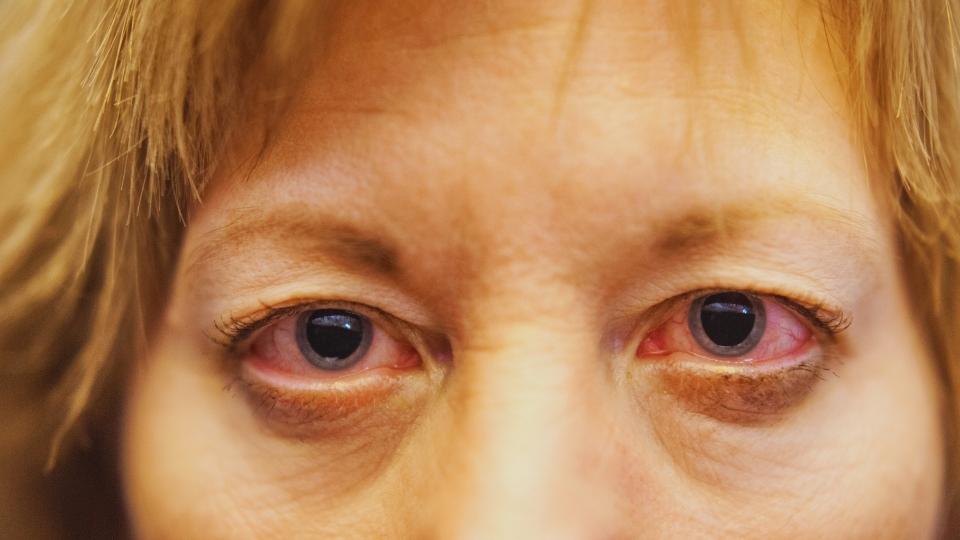
Vocabulary is only one piece. Meth produces physical and behavioral changes that are hard to hide over time. If you recognize the slang and also see these symptoms, it is time to take the possibility seriously:
- Sudden weight loss and a noticeable drop in appetite
- Staying awake for long stretches, sometimes for days, followed by crashes
- Dental problems, sores on the skin, or repetitive scratching
- Extreme mood swings, paranoia, or unusual aggression
- Dilated pupils, rapid speech, and bursts of restless energy
- Withdrawal from family, secrecy, and a shifting social circle
These symptoms can also overlap with mental health concerns, sleep problems, or other substance use, so they should prompt a calm conversation and, when needed, a professional assessment. Stimulant use shares many warning signs across different substances, which is why our breakdown of Adderall addiction symptoms can help you understand what dependence on this class of drug looks like.
What to Do If You Recognize These Terms
Spotting a few meth street names in a child’s or loved one’s world does not mean you should panic, and it does not mean you should ignore it either. Stay calm, gather your observations, and avoid confrontation in the heat of the moment. People who are using often deny it and may become defensive, so a steady, supportive approach usually works better than accusations.
When you are ready to talk, focus on what you have noticed rather than what you assume. Express concern for their health and safety, not judgment. If your child seems severely paranoid, violent, suicidal, confused, overheated, unconscious, or unable to stay awake, seek emergency help immediately. If the conversation confirms your fears, professional help is the most reliable path forward. Meth is highly addictive, and many people find it much safer and more sustainable to stop with professional support.
Treatment is not one-size-fits-all, and understanding the levels of care available helps you make a confident choice. Our comparison of IOP, PHP, and residential treatment explains how each option fits different needs and schedules. Recovery also depends on lasting tools, and learning solid relapse prevention strategies gives your child a stronger foundation for staying well after treatment ends.
You do not have to figure this out alone. Recognizing the slang for meth is the first step, and reaching out for guidance is the next one. The earlier someone acts, the better the outcome tends to be.
Street Names for Meth: Frequently Asked Questions
What are the most common street names for meth?
The most common street names for meth include crystal, ice, glass, crank, speed, and tina. Crystal meth street names often reference its glass-like appearance, while older slang like crank points to its powdered form.
Why do people use slang for meth instead of its real name?
People may use slang for meth to hide drug activity from parents, teachers, and authorities, fit in with a peer group, or refer to the drug in ways that sound less obvious. Coded meth nicknames let users discuss buying or using without raising suspicion. Recognizing these terms helps spot conversations, texts, or social media posts that may signal possible drug use.
Is meth use a sign my child needs treatment?
Any meth use is serious and warrants a professional evaluation, since the drug is highly addictive and damaging. If you notice meth nicknames alongside behavioral changes, reach out to an addiction specialist. Early evaluation and appropriate treatment can improve the chances of a safer, more stable recovery.