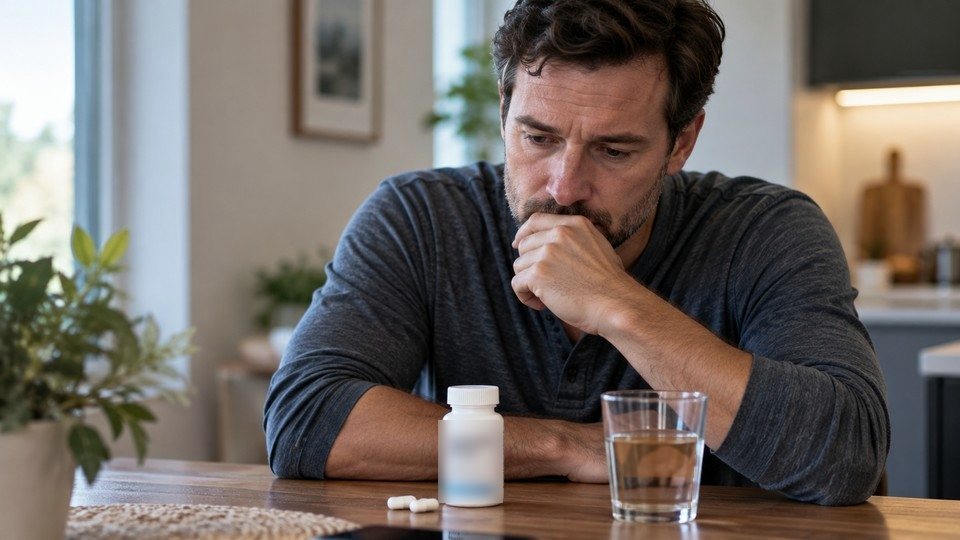


It is one of the most common worries people raise before starting medication for opioid recovery: Is Suboxone addictive, and could the treatment simply trade one problem for another? It is a fair question, and the honest answer requires understanding a distinction that often gets blurred: the difference between physical dependence and addiction.
At Mile High Recovery Center, we believe patients deserve a clear explanation rather than a slogan. If you are considering medication-assisted treatment as part of our inpatient addiction treatment in Colorado program, understanding how Suboxone actually behaves in the body can replace fear with informed confidence.

Suboxone is a prescription medication that combines two ingredients: buprenorphine and naloxone. It is one of the leading tools in medication-assisted treatment for opioid use disorder, used to stabilize people coming off opioids and to reduce the cravings that so often drive relapse.
Buprenorphine does the therapeutic heavy lifting. Naloxone is added mainly as a deterrent against misuse, because if the medication is injected by someone physically dependent on opioids, naloxone can help trigger withdrawal rather than a stronger high.
Buprenorphine and the Ceiling Effect

To understand whether buprenorphine is addictive in the same way as the drugs it replaces, you have to understand how it interacts with the brain. Buprenorphine is a partial opioid agonist. It attaches to the same receptors that opioids like heroin and oxycodone target, but it only activates them partially.
This produces what clinicians call a ceiling effect, especially for respiratory depression and euphoric effects compared with full opioid agonists. That ceiling is exactly why buprenorphine relieves withdrawal and cravings without producing the intense, escalating high of a full opioid agonist. It is also why its addictive potential is significantly lower than the drugs people typically use it to step away from.
If you or a loved one is in need of addiction treatment in Colorado, we have both inpatient and outpatient programs available:
Or call us at: (303) 268-2144
Is Suboxone Addictive? Separating Dependence From Addiction
Here is the heart of the matter. The reason people give conflicting answers about Suboxone is that they are usually answering two different questions at once. Physical dependence and addiction are not the same thing, even though the words get used interchangeably in everyday conversation.
Physical Dependence Explained
Physical dependence means your body has adapted to a substance and will experience withdrawal symptoms if it is stopped abruptly. This kind of physical adaptation or discontinuation effect can happen with many medications that have nothing to do with getting high, including some antidepressants, steroids, and certain blood pressure medications.
Yes, suboxone dependence is real. If someone stops taking it suddenly after months of use, they can experience withdrawal. But dependence on a medication taken as prescribed, under medical supervision, is a manageable physical state, not a moral failing or a sign of relapse.
What Addiction Actually Means
Addiction is a behavioral and brain-based condition defined by compulsive use, loss of control, and continued use despite harm. It involves cravings, drug-seeking behavior, and a life increasingly organized around the substance. The table below makes the contrast clear.
| Feature | Physical Dependence | Addiction |
|---|---|---|
| Core nature | Biological adaptation | Compulsive behavior pattern |
| Withdrawal if stopped | Yes | Yes |
| Loss of control | No | Yes |
| Use despite harm | No | Yes |
| Can involve prescribed meds | Often | Yes, if used compulsively or outside medical guidance |
| Improves with tapering? | Often, with medical guidance | Usually requires comprehensive treatment |
When someone takes Suboxone exactly as prescribed to support recovery, they may develop physical dependence, but that is not the same as being addicted. This is the distinction that the question of suboxone addiction so often misses.
Can You Get Addicted to Suboxone? Understanding the Real Risk
So, can you get addicted to suboxone? The honest answer is that misuse is possible, but it is far less likely than with full opioids, and the risk rises mainly when the medication is taken outside of medical guidance. The ceiling effect limits how much euphoria buprenorphine can produce, which generally reduces its appeal as a drug of abuse compared with full opioid agonists.
Risk of misuse tends to climb under specific conditions:
- Taking doses higher than prescribed or more frequently than directed
- Obtaining the medication without a prescription or from non-medical sources
- Combining it with benzodiazepines, alcohol, or other sedatives
- Using it to get high rather than to stabilize recovery
- Crushing or injecting it instead of taking it as intended
For most patients in a structured treatment program, none of these apply. The medication is dosed carefully, monitored, and adjusted over time, which keeps the suboxone addictive potential low.
Why the Alternative Carries Greater Risk
It helps to put the concern in perspective. The drugs Suboxone is used to treat are the very substances driving the overdose crisis. Many people enter treatment after struggling with potent opioids, and understanding what drugs are opiates shows why a partial agonist with a built-in ceiling is a safer landing place than continued use of full agonists.
Buprenorphine also smooths out the brutal withdrawal that keeps people trapped in the cycle of use. Anyone who has watched a loved one go through the heroin withdrawal timeline understands why a medication that eases that process can be the difference between staying in recovery and relapsing. Declining Suboxone out of fear of dependence can leave someone exposed to a far more dangerous outcome.
Signs of Suboxone Misuse
While the risk is lower, families and patients should still know what misuse can look like. Warning signs include:
- Running out of the prescription early or requesting frequent refills
- Using the medication in ways other than prescribed
- Mood or behavior changes that suggest it is being used for effect rather than stability
- Withdrawal symptoms between doses, which may signal dosing problems
- Combining it with other substances to amplify its effect
If any of these appear, the answer is not to stop the medication abruptly but to talk with the treatment team, who can adjust the plan safely.
Using Suboxone Safely in Recovery
Suboxone works best as one part of a complete treatment plan, not as a standalone fix. Counseling, behavioral therapy, and support for any co-occurring conditions all reinforce the medication’s benefits. Mental health and substance use frequently travel together, and patterns seen in depression and alcohol often mirror what we see in opioid recovery, which is why dual-diagnosis care matters.
Used as directed and adjusted over time under medical supervision, Suboxone is a safe, evidence-based tool. Some people taper eventually, while others benefit from longer-term maintenance. The physical dependence it can create is manageable and predictable, and it pales next to the risks of untreated opioid use disorder.
Is Suboxone Addictive? Frequently Asked Questions
Will I go through withdrawal if I stop taking Suboxone?
If you stop abruptly after long-term use, you can experience withdrawal because of physical dependence. However, a gradual taper guided by your treatment team minimizes those symptoms. Stopping should always be planned with a clinician rather than done suddenly on your own.
Is taking Suboxone just replacing one addiction with another?
No. When used as prescribed, Suboxone can produce physical dependence, but that is not the same as addiction. It does not create the compulsive, harmful use that defines addiction. It stabilizes brain chemistry so you can focus on recovery, which is the opposite of swapping one drug problem for a new one.
How long do people stay on Suboxone?
There is no single timeline. Some people use it for months, others for years or longer, depending on individual needs and relapse risk. The goal is stability, reduced relapse risk, and lasting recovery, and your care team decides together whether and when to begin tapering.