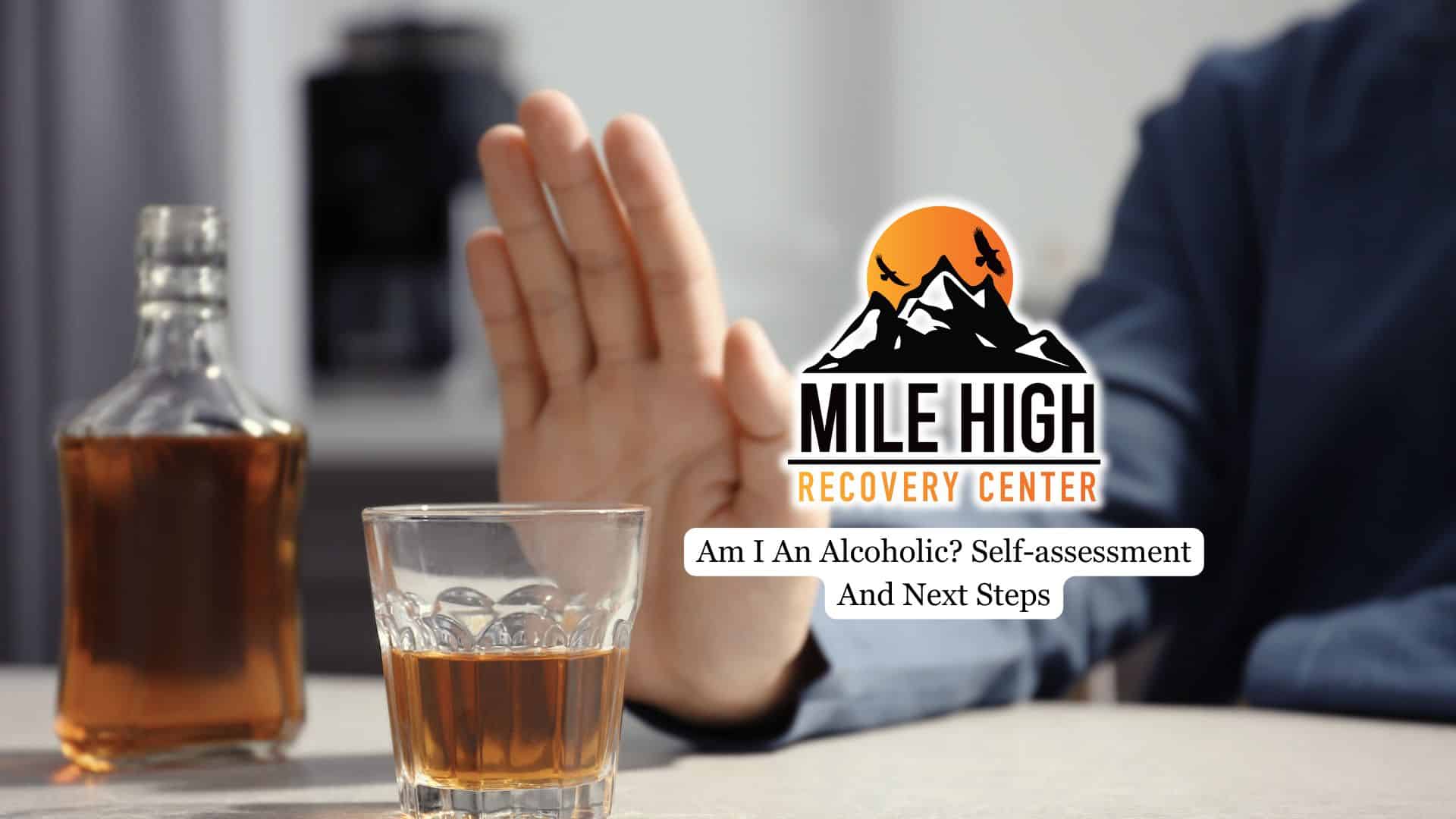

Wondering whether alcohol has become more than just a casual part of your life is not uncommon. Many people question their drinking habits, especially if consumption begins to affect their health, relationships, or responsibilities.
This article explores how to assess your relationship with drinking, signs that may indicate a deeper issue, and what steps you can take if you believe help is needed.

Understanding Alcohol Use and AUD
Alcohol use exists on a spectrum, ranging from occasional-moderate, heavy drinking to problematic patterns that interfere with daily life. Occasional use may involve moderate intake without ongoing problems. Heavy or chronic intake involves consuming large amounts regularly, which can increase the risk of dependency. Alcohol use disorder (AUD) is a medical condition where an individual cannot control their intake despite negative consequences.
The distinction matters because while occasional heavy use does not automatically mean AUD, repeated patterns of loss of control, cravings, and withdrawal symptoms suggest a more serious problem requiring attention and may indicate the need for professional alcohol addiction treatment. This provides medical supervision, emotional support, and structured strategies that help individuals regain control and begin a sustainable recovery path.
Signs That Drinking May Be a Problem
Certain outward patterns can suggest when use is shifting from casual to harmful. These are often observable behaviors or consequences that affect daily life. Visible signs may include missing work or school, reckless actions such as unsafe driving, or neglecting basic self‑care. Many people also report emotional changes, such as irritability, mood swings, or increased anxiety when not drinking.
Blackouts or memory gaps after heavy use become more frequent, indicating a more pronounced impact on brain function. Losing interest in hobbies, experiencing a decline in job or academic performance, or ongoing health issues, such as disrupted sleep, can also point to a deeper problem. When several of these signs are present, it may indicate that use has moved beyond social drinking and should be addressed with professional support.
Self-assessment and Questionnaires
Self-assessment is about internal awareness—understanding how your drinking patterns affect your life and whether they may indicate a deeper issue. One recognized tool is the AUDIT (Alcohol Use Disorders Identification Test), developed by the World Health Organization. It measures frequency of use, cravings, and consequences, helping professionals determine levels of risk.
Reflective questions can include:
- Do you often consume more than intended?
- Have you made unsuccessful attempts to cut back?
- Do you experience guilt, shame, or anxiety about drinking?
- Have close friends or family expressed concerns that you find difficult to dismiss?
- Do you notice withdrawal symptoms, such as shaking or sweating, when you stop?
To put intake in perspective, remember that in the U.S, a standard drink equals 14 grams of pure alcohol—about 12 ounces of beer, 5 ounces of wine, or 1.5 ounces of distilled spirits. Tracking this can clarify whether consumption is within low‑risk levels or trending higher.
Answering “yes” to several questions, or scoring high on the AUDIT, may indicate a pattern that requires professional guidance. While self-assessment is useful, only a medical evaluation provides a clear diagnosis.
If you or a loved one is in need of addiction treatment in Colorado, we have both inpatient and outpatient programs available:
Or call us at: (303) 268-2144

Why Early Recognition Matters
Identifying problematic drinking patterns early can make a significant difference in both health and quality of life. Without intervention, long-term misuse may lead to chronic conditions such as liver disease, cardiovascular problems, cognitive decline, and a weakened immune system. Emotional well-being can also be impacted, with increased risk of depression, anxiety, and isolation.
Socially, ongoing misuse often disrupts relationships, reduces work performance, and may result in legal or financial problems. Addressing concerns at an early stage not only helps prevent these serious outcomes but also allows individuals to develop healthier coping strategies, strengthen support systems, and regain a sense of stability and control.
Taking the Next Steps Toward Help
The first step is reaching out to a healthcare provider or addiction specialist for an evaluation. From there, a treatment plan can be shaped to match the level of need. For some, a medical detox program may be the safest starting point, while others may benefit more from structured inpatient or outpatient treatment. These programs often combine daily monitoring with relapse‑prevention strategies to build lasting stability.
Evidence‑based therapies such as Cognitive Behavioral Therapy (CBT), Motivational Interviewing, and group counseling help address the psychological and behavioral aspects of dependency. While each recovery journey is unique, combining professional care with therapeutic approaches ensures the process is safe, coordinated, and tailored to the individual.
Final Thoughts from Mile High Recovery
The question Am I an alcoholic? is deeply personal, but asking it is also the first sign of strength. Recognizing the possibility of alcohol use disorder allows individuals to take action before further harm occurs. Self-reflection, honest assessment, and a willingness to seek support create the foundation for meaningful change.
At Mile High Recovery, we understand the complexities of AUD and the courage it takes to seek help. Our alcohol rehab in Denver, CO, provides compassionate, evidence-based care designed to address both the physical and emotional challenges of recovery. If you are ready to take the next step, we are here to guide you toward lasting healing and sobriety.